
Mastering the Atmospheric Ballad
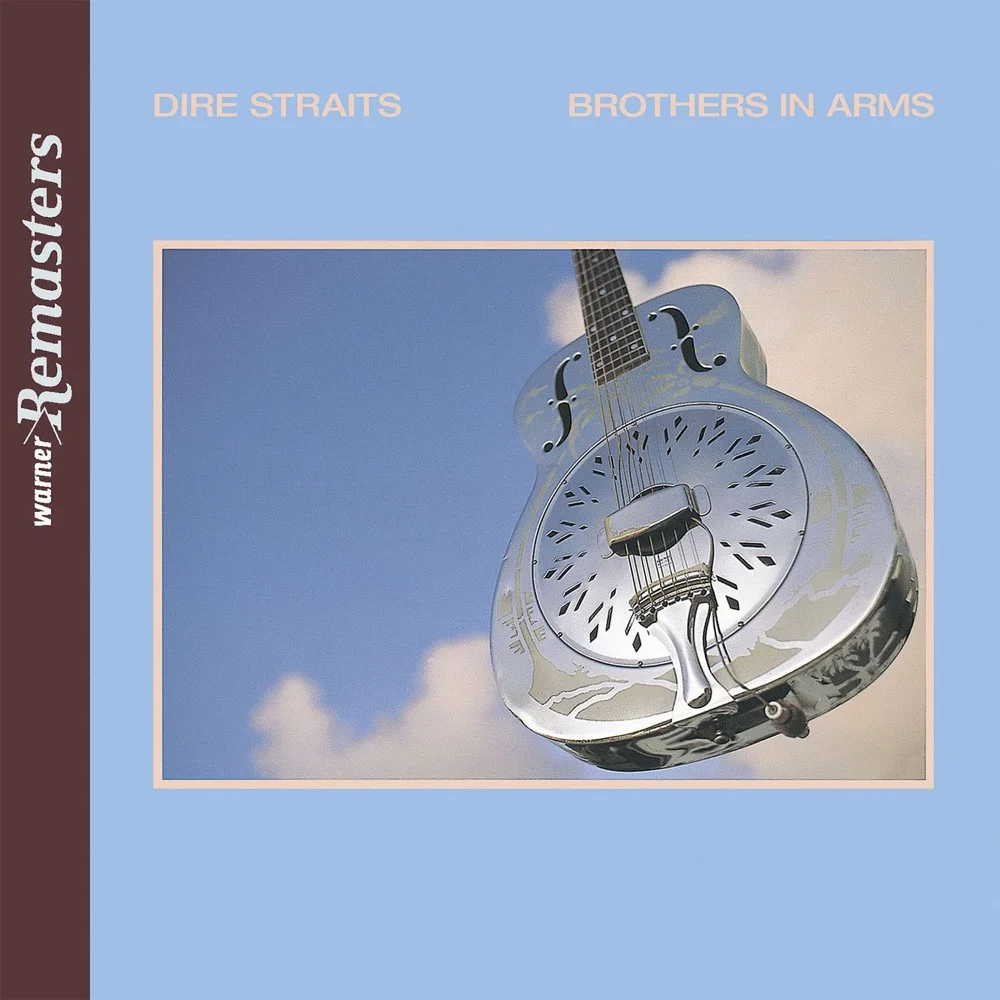
Brothers in Arms is the title track of Dire Straits' historic 1985 album. Unlike high-energy rock anthems, this song requires restraint, patience, and a deep connection to the lyrics. It acts as a melancholic elegy to war, and the vocal performance must reflect that somber reality.
Mark Knopfler is not known for technical gymnastics or high belting; his style is "Sprechgesang"—a technique halfway between speaking and singing. The challenge lies in maintaining pitch accuracy while sounding entirely conversational and relaxed.
AI Coach Tip: Relax Your Jaw
To hit the low E2 notes, you must relax your jaw and lower larynx. If you tense up or tuck your chin, the note will cut out. Think of the sound resonating in your chest, not your nose.
Phase 1: The Verses (Low & Conversational)
The song starts deep. The opening line "These mist covered mountains" sits in the lower fourth octave, but dips down quickly. You need a warm, breathy tone here.
The Trap: Many singers try to "perform" this too much. Knopfler sings almost lazily (in a good way). Do not over-enunciate the consonants. Let the words flow together as if you are tired and weary.
Phase 2: The Chorus (Emotional Swells)
The transition to "We're fools to make war on our brothers in arms" involves a slight lift in pitch and volume, but it never turns into a shout. The highest note you will encounter in the main melody is a G#4, but it is touched lightly, not belted.
- Phrasing: Knopfler sings behind the beat. Do not rush. Let the organ and guitar lead, and follow slightly after.
- Vowels: Keep your vowels dark. "War" should sound more like "Wuh-ore" with a dropped jaw to maximize resonance.
Phase 3: The Outro (Fading Out)
As the song concludes, the vocals become even more sparse. The line "There's so many different worlds" requires excellent breath support. You need to sustain the notes while letting the volume die away (decrescendo).
The difficulty here is staying on pitch while singing quietly. The AI Coach often detects flatness in this section because singers lose breath support when they lower their volume. Keep your diaphragm engaged until the very last word.
Frequently Asked Questions
The highest note is a G#4, but it is sung with a relaxed chest mix. The song mostly resides in the E3-E4 range.
The E2 is very low for a typical Tenor. You might struggle to get power there. Use the Singing Coach AI app to transpose the song up +2 semitones to make the bottom end more accessible.
Knopfler uses a "fry" onset on many words. Practice adding a little vocal fry (that creaky door sound) at the beginning of phrases like "These mist..." to add texture.