
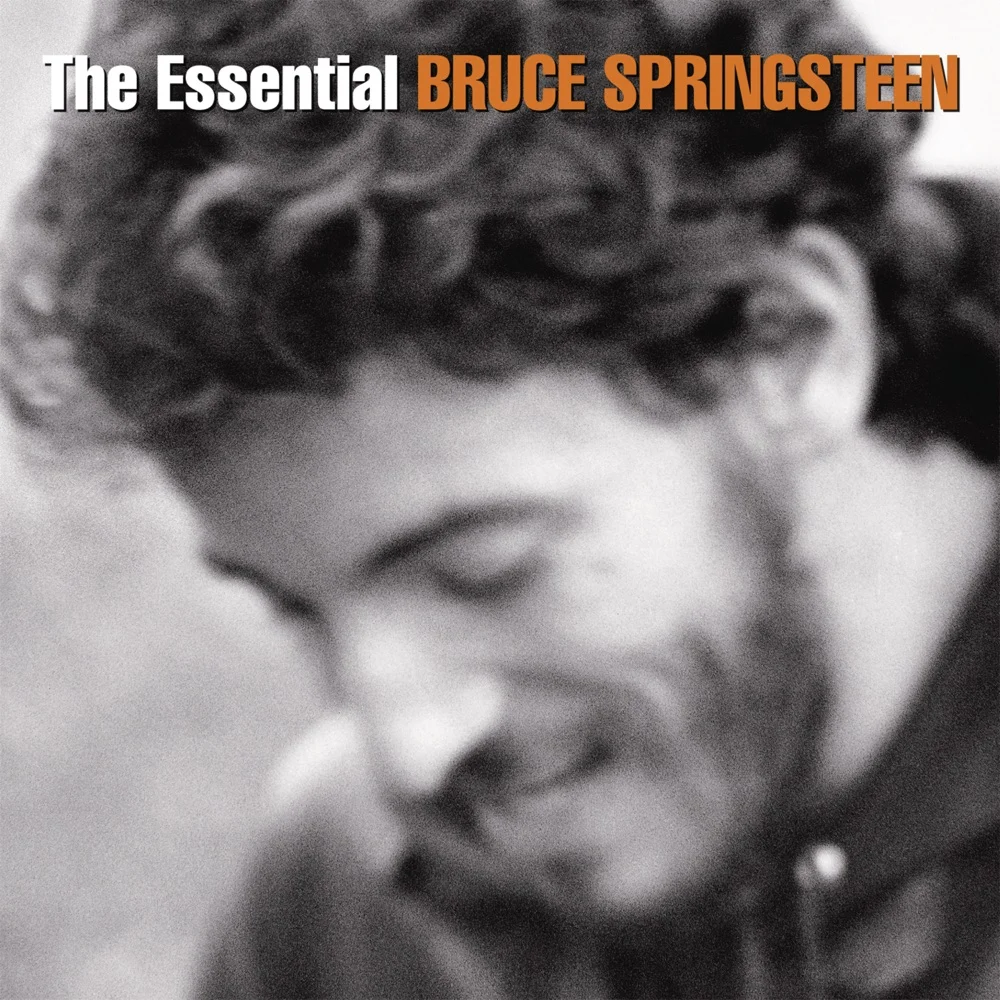
The Ultimate Heartland Rock Anthem
"Born to Run" is the definitive Bruce Springsteen track. Released in 1975, it features a "Wall of Sound" production style that demands a vocalist with power, presence, and endurance. Unlike pop songs that sit lightly on the voice, this track requires you to dig deep into your chest resonance.
Singing this song isn't about perfect, clean technique; it's about emotional conviction. You need to sound desperate, hopeful, and exhausted all at once. Let's break down how to capture that specific "Springsteen sound" without blowing out your voice.
AI Coach Tip: Grit vs. Strain
Many users damage their vocal cords trying to mimic Bruce's rasp. True grit comes from a relaxed throat and high airflow, not from squeezing your neck muscles. If it hurts, you are doing it wrong.
Phase 1: The Narrative Verses
The song is in E Major. The verses ("In the day we sweat it out...") start lower in the range. The key here is articulation and storytelling. Springsteen almost speaks these lines, but there is a melodic hum behind them.
The Trap: Don't get lazy with the rhythm. The band is driving hard; if you lag behind the beat, the energy collapses. Attack the consonants (the 'd' in day, the 'sw' in sweat) to keep the percussive feel.
Phase 2: The Pre-Chorus Build
As you approach "Tramps like us," the melody rises. You need to transition from a speaking tone to a calling tone. This is the "hey, you!" voice.
- Breath Support: Engage your lower abs (solar plexus) significantly here. You are competing with saxophones and electric guitars.
- Placement: Move the vibration from your chest slightly forward into the mask (the front of your face) to get that piercing quality.
Phase 3: The Belt (G#4)
The chorus hits high energy with "Baby, we were born to run." The word "Run" is often held or shouted. The highest belted notes hover around G#4.
To hit this safely, use a technique called "vocal narrowing" or twang. By shaping your vowel sounds slightly narrower (think "Run" sounding slightly like "Ren"), you reduce the acoustic pressure on your vocal folds while maintaining that piercing rock sound.
Frequently Asked Questions
The core melody belts up to a G#4. However, Springsteen often slides into notes and shouts, which can make the perceived pitch feel higher due to harmonics.
Yes, but it sits low in a Tenor's range, which might make the verses sound thin. Focus on adding "chest weight" to your lower notes to match the baritone richness of the original.
The song is a marathon. Use the instrumental breaks to fully reset your breathing. Don't expend all your air on the first half of the phrase; pace yourself for the final "1-2-3-4" climax.