
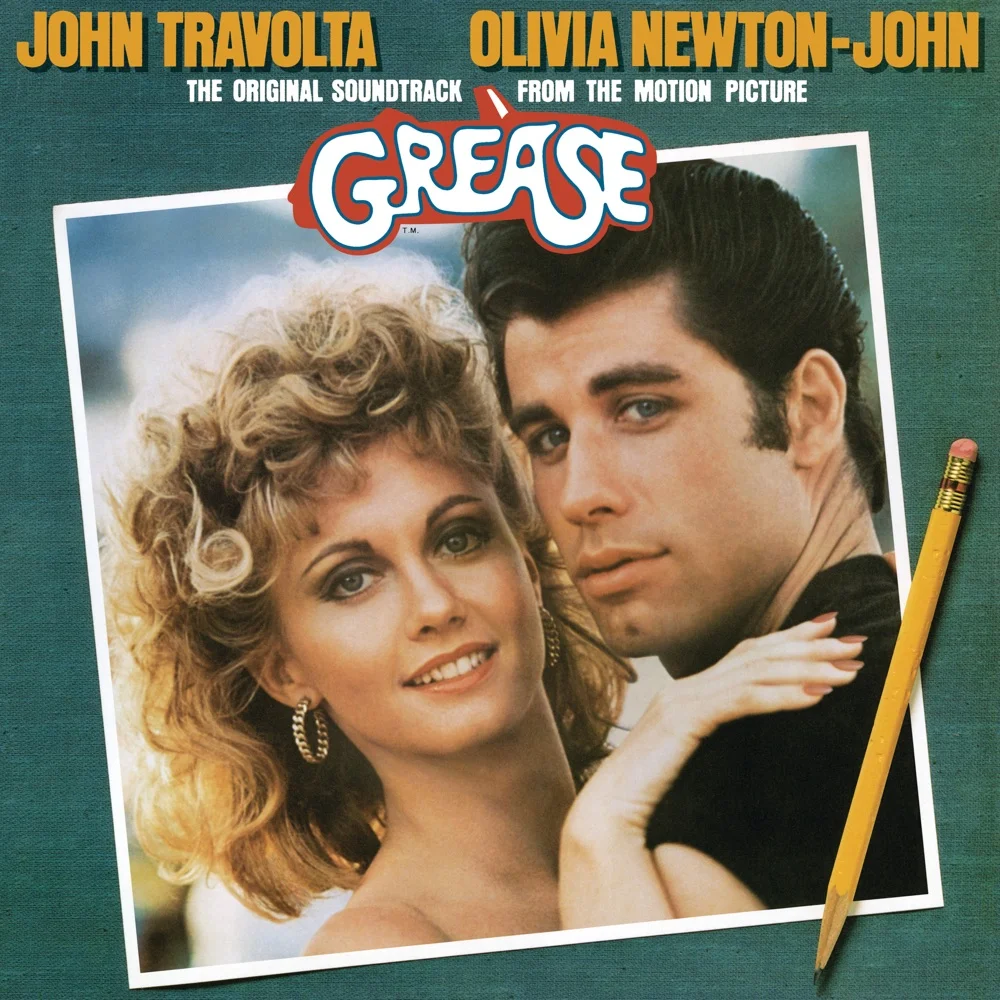
The Ultimate 50s Dance Anthem
"Born to Hand Jive" is a high-energy vocal challenge disguised as a dance track. Famously performed by Sha Na Na in the movie Grease during the National Dance-Off, this song embodies the spirit of 50s rock 'n' roll and doo-wop. Unlike a standard ballad, this track requires you to act as a rhythmic instrument, locking in perfectly with the drums and bass.
To sing this well, you need attitude, grit, and stamina. The vocal line moves quickly, and the "hand jive" rhythm demands precise staccato phrasing. Let's break down exactly how to tackle it, section by section.
AI Coach Tip: Watch Your Breath
Because the tempo is fast, singers often run out of air before the end of a phrase. Our analysis shows that taking quick, low "sip" breaths between the rhythmic breaks allows you to maintain power without gasping.
Phase 1: The Smooth Croon (Verse)
The song begins with a classic doo-wop feel. The verses ("Before I was born...") should be sung with a warm, chest-dominant tone. You want to sound cool and collected here.
The Trap: Don't drag the beat. Even though the melody is smoother here, the band is driving hard. Stay right on top of the beat, or you will sound sluggish compared to the backing track.
Phase 2: The Rhythmic Hook
The chorus ("Born to hand jive, baby") relies on percussive diction. You need to accentuate the consonants (the 'B' in Born, the 'H' in Hand). This creates that bouncy, energetic feel that makes people want to dance.
- Articulation: Keep your vowels bright and forward. Think of smiling while you sing to brighten the tone.
- Swing: Feel the triplet sub-division. It's not straight 4/4 rock; it has a swing. The AI Coach tracks your rhythmic offset to ensure you are swinging correctly.
Phase 3: The High Energy Finale
As the song progresses towards the end, the intensity ramps up. The vocal line pushes higher into the upper chest register (reaching G4). You need to belt these notes with confidence.
To hit the high notes safely, anchor your body and engage your core. Do not reach up for the notes with your chin; keep your head level and let the air support the pitch. This gives you that gritty rock sound without the strain.
Frequently Asked Questions
The highest belted chest-voice note is generally a G4, though ad-libs can go higher depending on the version. It sits comfortably in the Baritone/Tenor belt range.
The pitch is not overly complex, but the speed makes it a challenge. We rate it "Medium" difficulty because keeping up the energy for nearly 5 minutes requires good vocal stamina.
Use "twang" (narrowing the epiglottis) rather than pushing air. Think of a bratty, playground voice. This adds the rock texture without hurting your vocal cords.