
The Definitive Swamp Rock Anthem
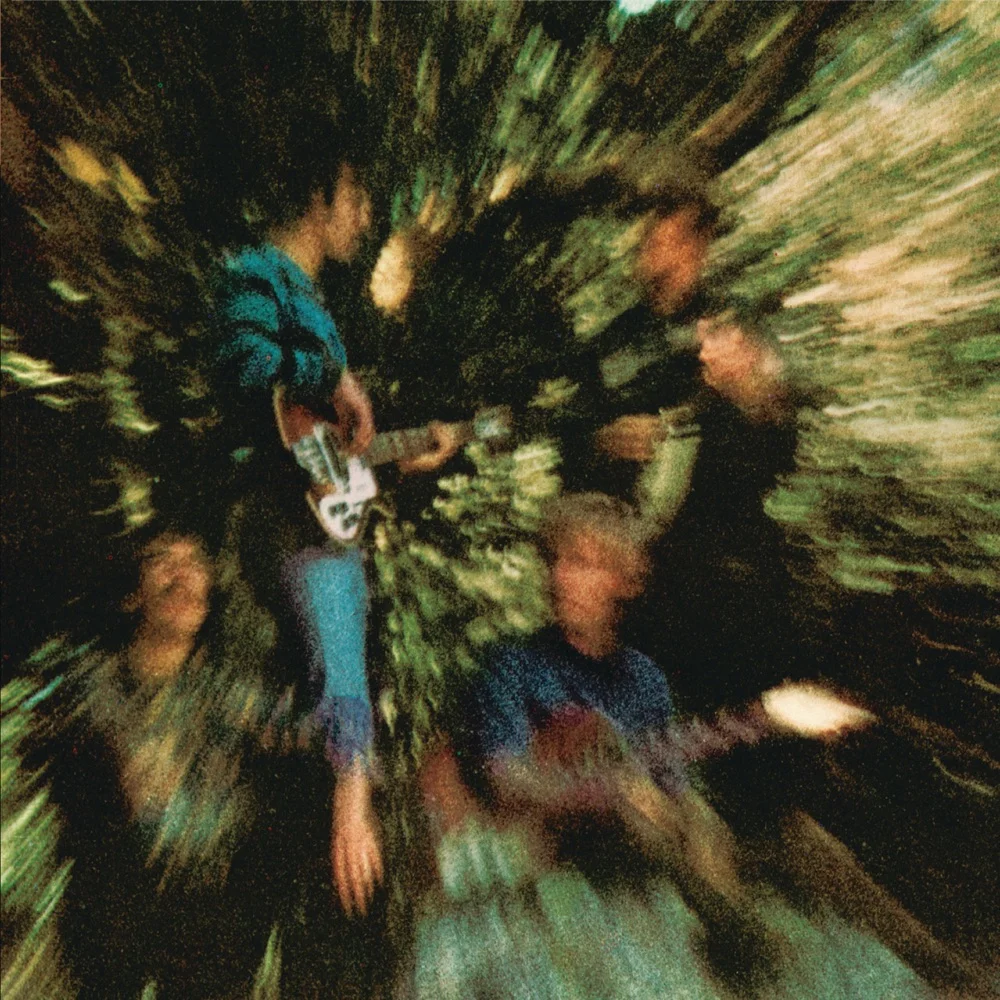
Born on the Bayou isn't just a song; it's an atmosphere. Written by John Fogerty for Creedence Clearwater Revival's 1969 album Bayou Country, this track defines the "swamp rock" genre. Unlike the operatic complexity of Queen, this song relies on a deep, driving groove and a specific vocal texture: the "Fogerty Grunt."
To sing this well, you don't need a massive octave range. You need attitude, rhythm, and the ability to maintain a gritty texture without damaging your voice. It requires strong diaphragm support to keep the power consistent over the repetitive, hypnotic chord progression.
AI Coach Tip: Safe Distortion
Many users try to achieve the rasp by squeezing their throat. This causes strain. Our analysis recommends engaging your "false chords" while keeping the airway open. The grit should come from air pressure, not throat tension.
Phase 1: The Groove (Verses)
The song is in E7, a dominant chord that begs for bluesy inflections. The verses, starting with "Now, when I was just a little boy," are sung in a mid-range chest voice. The challenge is the timing.
The Trap: Singers often rush the beat. Fogerty sings "in the pocket," often laying slightly behind the snare drum. Relax into the groove and focus on the storytelling.
Phase 2: The Chorus (The Belt)
The chorus line "Born on the Bayou!" is the vocal peak. It hits around a G#4/A4 depending on the live version. You must attack this note with confidence.
- Vowels: Don't sing a polite "Bayou." Widen your mouth horizontally. Think "Baaa-you." This brightens the sound and helps cut through the mix.
- Volume: This section is loud. Ensure your breath is anchored low in your body to support the volume.
- Consistency: The song is over 5 minutes long with many repeated choruses. Pacing your energy is key to surviving until the final fade-out.
Phase 3: The Attitude
Technique aside, this song requires character. Fogerty, though from California, adopted a Southern, swampy persona. You need to embrace the "twang" and the slightly slurred diction to make it authentic. Singing it too cleanly will rob the song of its soul.
Frequently Asked Questions
The core melody belts up to a G#4, though Fogerty often hits A4 or bends pitches higher with his grit in live performances.
Use "twang" (narrowing the epiglottic funnel) combined with high airflow. Do not grind your vocal cords together. Singing Coach AI can analyze your tension levels to ensure you aren't hurting yourself.
Yes, this is an excellent song for Baritones and Tenors alike. The range sits comfortably in the "money notes" for male voices, allowing for a powerful chesty sound.