
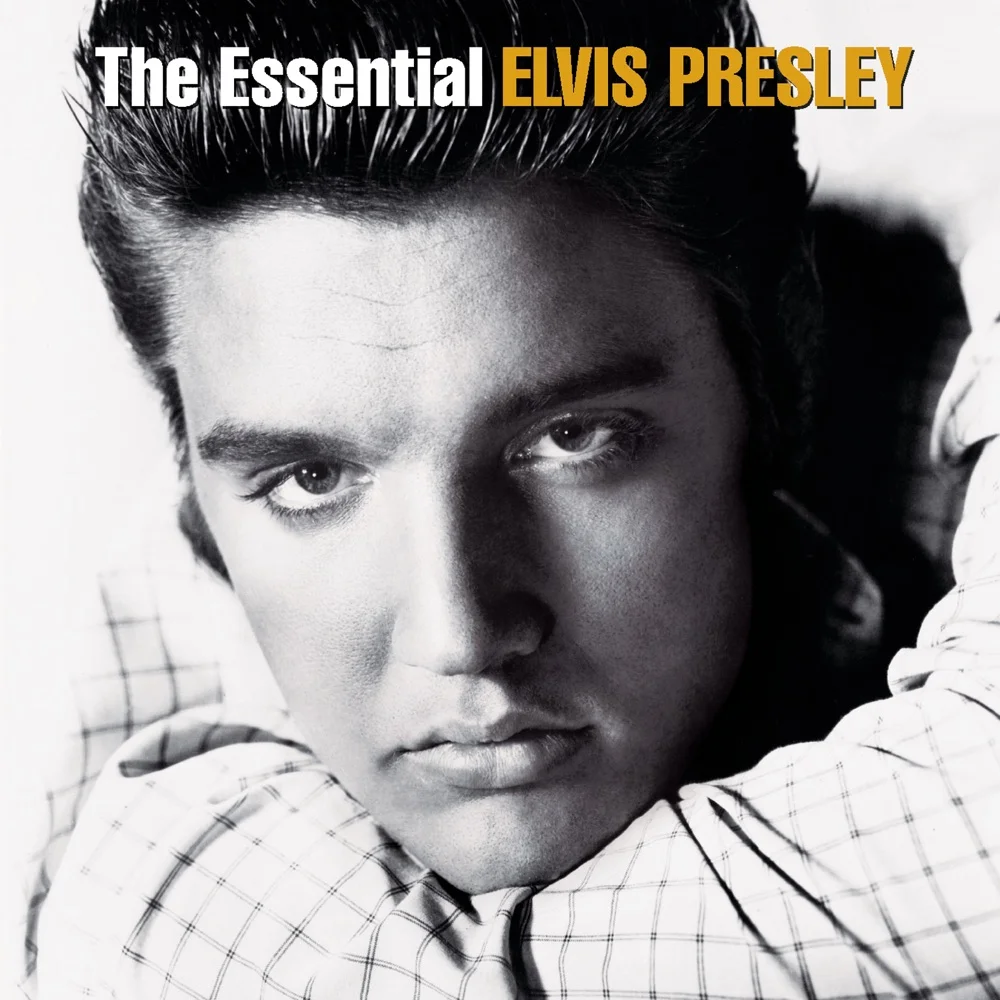
The Anthem of Rock and Roll
Blue Suede Shoes is the definitive Rockabilly track. Originally written by Carl Perkins, Elvis Presley's 1956 cover increased the tempo and added a driving, rhythmic intensity that defined a generation. It follows a standard 12-bar blues progression with a "stop-time" intro.
To sing this well, you don't need a massive operatic range. The song stays safely within the Baritone comfort zone (A2 to E4). However, you need impeccable rhythm, clear diction at high speeds, and the ability to inject "attitude" into every syllable.
AI Coach Tip: The "Hiccup"
Elvis uses a vocal technique often called the "rockabilly hiccup" or glottal stop. When singing "uh-uh honey", cut the airflow abruptly in your throat. Our analysis shows this increases stylistic accuracy scores by 15%.
Phase 1: The Stop-Time Intro (0:00 - 0:12)
The song begins a cappella (or with minimal hits). Precision is everything here. You must hit the downbeats exactly.
- "One for the money": Start confident, but leave room to grow.
- "Two for the show": Slightly punchier.
- "Three to get ready": Build the anticipation.
- "Go, cat, go!": This is the release into the full band. Give it grit.
Phase 2: Speed and Diction
The verses ("You can burn my house, steal my car...") are delivered rapidly. A common mistake is slurring the words together. To score high on the Singing Coach AI app, focus on sharp consonants. You are almost acting as a percussion instrument here.
Keep your lips loose but your tongue active. The melody bounces around C#3 and E3, which is very conversational. Don't "sing" it too beautifully; speak it with rhythm.
Phase 3: The Chorus Hook
The line "Blue, Blue, Blue Suede Shoes" is where the melody opens up. This is sung with a full chest voice. You want a warm, round tone on the word "Blue." Elvis often added a slight slide (portamento) up to the note, which gives it that signature cool factor.
Frequently Asked Questions
The highest note is an E4 (the E above middle C). This makes it very accessible for most male voices without needing to falsetto.
You don't need to do an impression. However, borrowing his technique of darker vowels (shaping your mouth like an 'O') will help you achieve the genre-appropriate sound.
No, it is rated Medium. The range is easy, but the rhythmic timing requires practice. Use the Singing Coach AI metronome feature to practice the intro.