
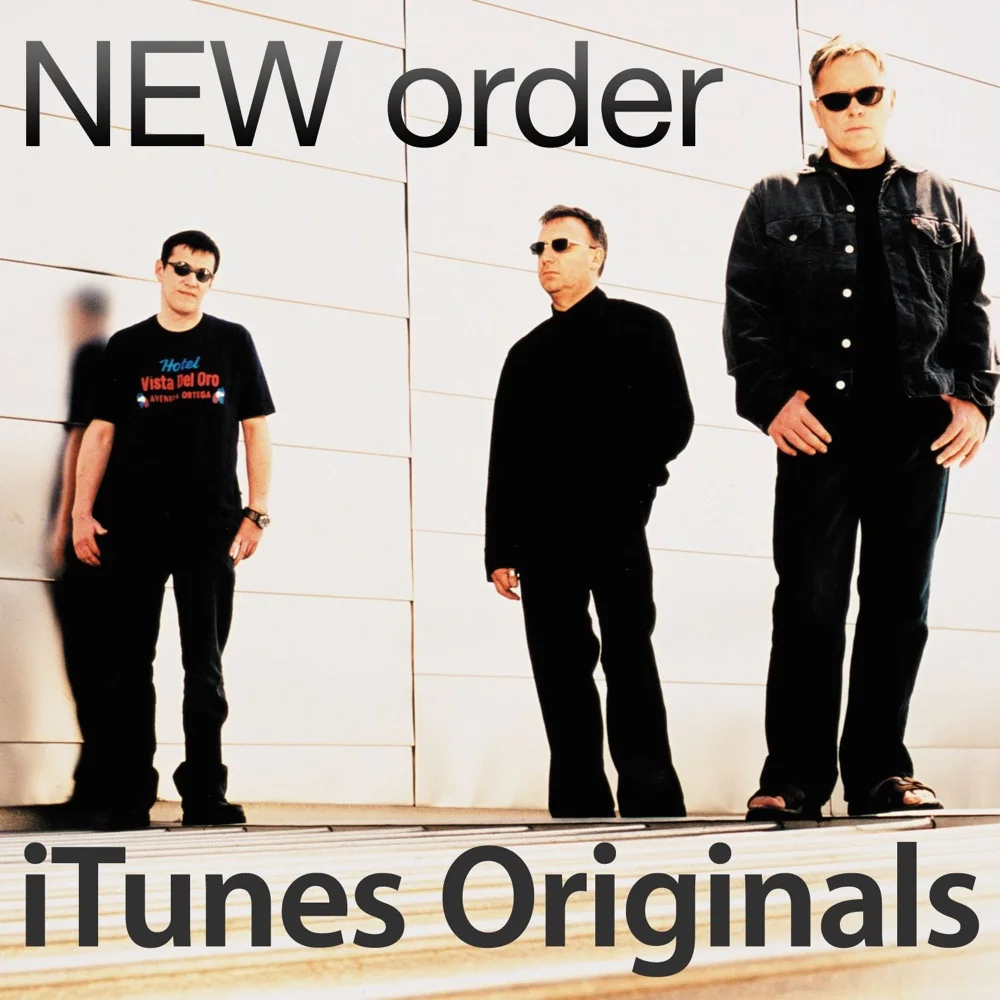
The Art of Detached Emotion
Blue Monday is the best-selling 12-inch single of all time, bridging the gap between disco and post-punk. Vocal-wise, it is the antithesis of a power ballad. Bernard Sumner's delivery is famous for being deadpan, slightly flat, and seemingly devoid of traditional emoting.
While the range is narrow (C3 to D4), the difficulty lies in the restraint. To sing this correctly, you must resist the urge to add vibrato or bluesy inflection. It requires a "cold" delivery that sits perfectly in the rhythmic pocket.
AI Coach Tip: Less is More
Our analysis shows that users with lower scores often try to "sing" too much. Keep your tone straight and your phrasing clipped. Think of your voice as another synthesizer track rather than a lead instrument.
Phase 1: The Verse (0:00 - 1:44)
The song has an incredibly long intro. When the vocals finally enter ("How does it feel..."), they sit in the lower middle of the Baritone range. The notes are D3, C3, and A2.
The Trap: Because the melody is simple, singers often slide (glissando) between notes. Sumner hits each note cleanly and abruptly. Practice separating the notes rather than connecting them smoothly.
Phase 2: The Chorus (Tell me how I should feel)
Here, the pitch rises slightly to touch the D4. The intensity lifts, but the tone must remain dry.
- To treat me like you do: This line requires breath control. It's a long phrase often sung without a breath in the middle to maintain the driving momentum of the track.
- Ship comes in: Ensure your pronunciation is clear but not overly theatrical. The "British" accent vowels (tighter, more forward) help achieve the authentic sound.
Phase 3: Rhythmic Precision
The beat of Blue Monday is relentless. If you drag behind the beat (singing "lazy"), you will ruin the hypnotic effect. The AI Coach measures your rhythmic onset accuracy down to the millisecond. You must be exactly on the grid.
During the "Beach" section ("I see a ship in the harbor..."), the melody becomes even more monotonic. Focus on the rhythm of the words rather than melodic variation.
Frequently Asked Questions
The highest note in the main vocal melody is a D4. It stays comfortably within the chest voice register for most male singers.
Yes, but Tenors may need to darken their tone to match the somber, resonant quality of the original recording. The range is very accessible.
You are likely using too much vibrato or emoting too heavily. Try singing with a "straight tone" and imagine you are reading a list rather than singing a song.