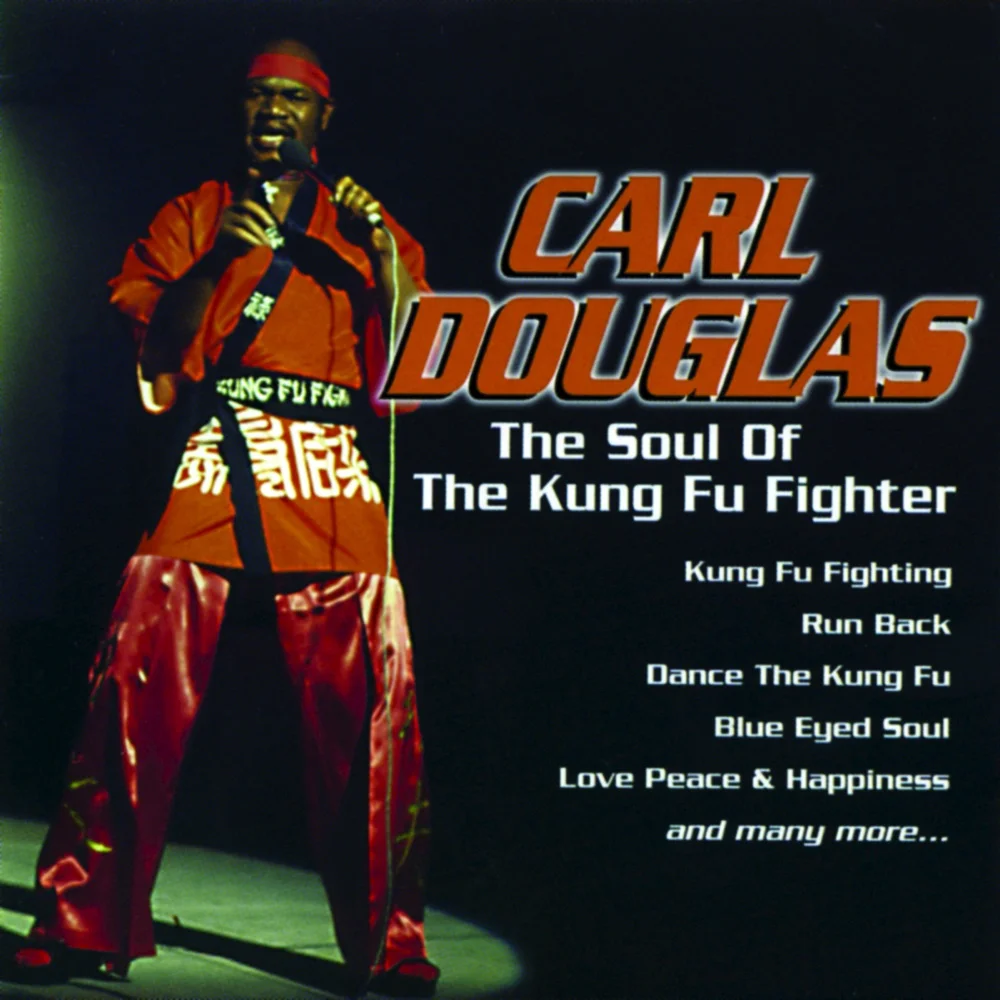
The Essence of 70s Soul
Blue Eyed Soul by Carl Douglas is a masterclass in funk energy and rhythmic vocal delivery. Released in the same era as his mega-hit "Kung Fu Fighting," this track showcases Douglas's ability to blend rapid-fire delivery with melodic soul hooks. The song demands a singer who can lock into the groove and never let go.
Unlike ballad singing where sustain is key, this track is about percussive singing. You are essentially part of the rhythm section. Your consonants need to be crisp, and your vowel placement needs to be forward to cut through the brass and bass-heavy mix.
AI Coach Tip: Feel the Pocket
Many singers rush the tempo on this track due to the high energy. Our analysis shows that the best scores come from singers who "lean back" on the beat, staying perfectly locked with the snare drum rather than pushing ahead of it.
Phase 1: The Verse (The Setup)
The song begins with a grooving bassline. When you enter, keep your volume moderate but your intensity high. The range here is comfortable for most Tenors and Baritones (G2 - D4).
The Trap: It's easy to slur words here because of the speed. Focus on articulating your T's and K's. Think of your voice as a drum kit; articulate the rhythm sharply.
Phase 2: The Chorus (The Hook)
Here the energy lifts. The melody jumps up, requiring a solid mix voice. You'll be hitting notes around G4 and A4. This is "Blue Eyed Soul" at its peak—you need to project joy and grit simultaneously.
- Resonance: Use a "smile" shape with your mouth to brighten the tone. This helps achieve that piercing 70s soul sound.
- Grit: To get Carl Douglas's rasp, engage your false vocal folds slightly (twang), but do not simply push more air, or you will strain your throat.
Phase 3: The Bridge & Ad-libs
As the song progresses, Douglas adds improvisational ad-libs. This is your chance to show personality. The vocal runs shouldn't be too clean or classical; they should feel raw and spontaneous.
Maintain your breath support even as the song fades out. The energy must remain high until the very last second, even if the volume decreases.
Frequently Asked Questions
The core melody hits a G4, but with ad-libs and belts, you will reach up to an A4 in chest/mix voice.
Yes. While the original is sung by a Tenor, the range isn't excessively high. Baritones may need to thin out their chest voice on the high Gs to avoid straining.
Try imitating a "nyeh-nyeh" witch sound to find your pharyngeal resonance (twang). This adds the cutting frequency needed for soul music without damaging your cords.