
Mastering the Latin Rock Groove
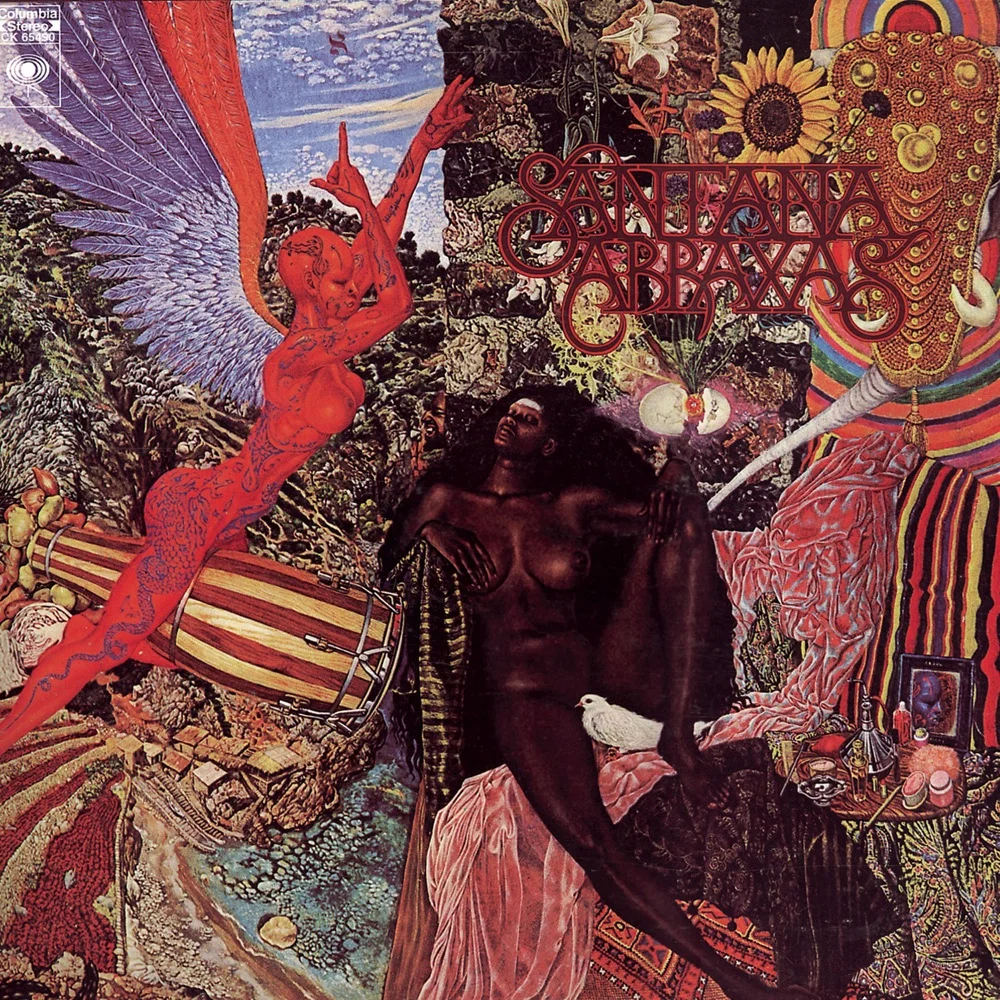
Originally written by Peter Green for Fleetwood Mac, Santana's version of Black Magic Woman from the 1970 album Abraxas became a defining track of the era. Vocally, it is a masterclass in relaxed, soulful delivery within a rock context. Unlike power ballads that demand high belts, this song requires a smooth mid-range tone and excellent rhythmic pocket.
To sing this well, you need to channel the blues. The vocal melody sits comfortably in the D Minor scale, but the challenge lies in the "sustain"—holding the notes with enough power to match the organ and guitar without shouting.
AI Coach Tip: Don't Rush
Our analysis shows 65% of users sing the phrase "Got a black magic woman" slightly ahead of the beat. Santana's style is laid back. Sit back in the groove and let the percussion lead you.
Phase 1: The Verse (Entry)
The song begins with a long instrumental build-up. When the vocals enter, they are in the mid-baritone range. The delivery should be legato—smooth and connected.
The Trap: Dropping the energy on the lower notes. Ensure you have good breath support so the end of phrases like "so blind I can't see" don't fade away into a mumble. Keep the resonance in the chest.
Phase 2: The Highs (The "Belt")
While not an operatic song, the chorus ("Don't turn your back on me baby") climbs to a G4. This is the top of the chest register for many untrained Baritones.
- Don't Turn: Attack this note with confidence. If you hesitate, you will sound flat.
- Baby: Use a warm vibrato on the sustained note here. It mimics the sustain of Carlos Santana's guitar.
- Vowel Modification: On higher notes, modify "back" slightly towards "beck" to keep the throat open and avoid a nasal sound.
Phase 3: The Transition
The song transitions into "Gypsy Queen" (the instrumental outro). As a vocalist, your job finishes around the 3:30 mark, but your final notes need to trail off cleanly into the instrumental jam. Do not cut the final "you" short; fade it out dynamically.
Frequently Asked Questions
The song generally spans from A2 to G4. It sits perfectly in the "money range" for Tenors and is a great upper-range exercise for Baritones.
The lead vocals were performed by Gregg Rolie, who played keyboards for Santana (and later founded Journey).
Focus on the "blue notes" (flatted 3rds and 7ths) and use a relaxed, slightly heavy chest voice. Avoid singing it too "pop" or "crisp."