
The Folk-Rock Anthem Reimagined
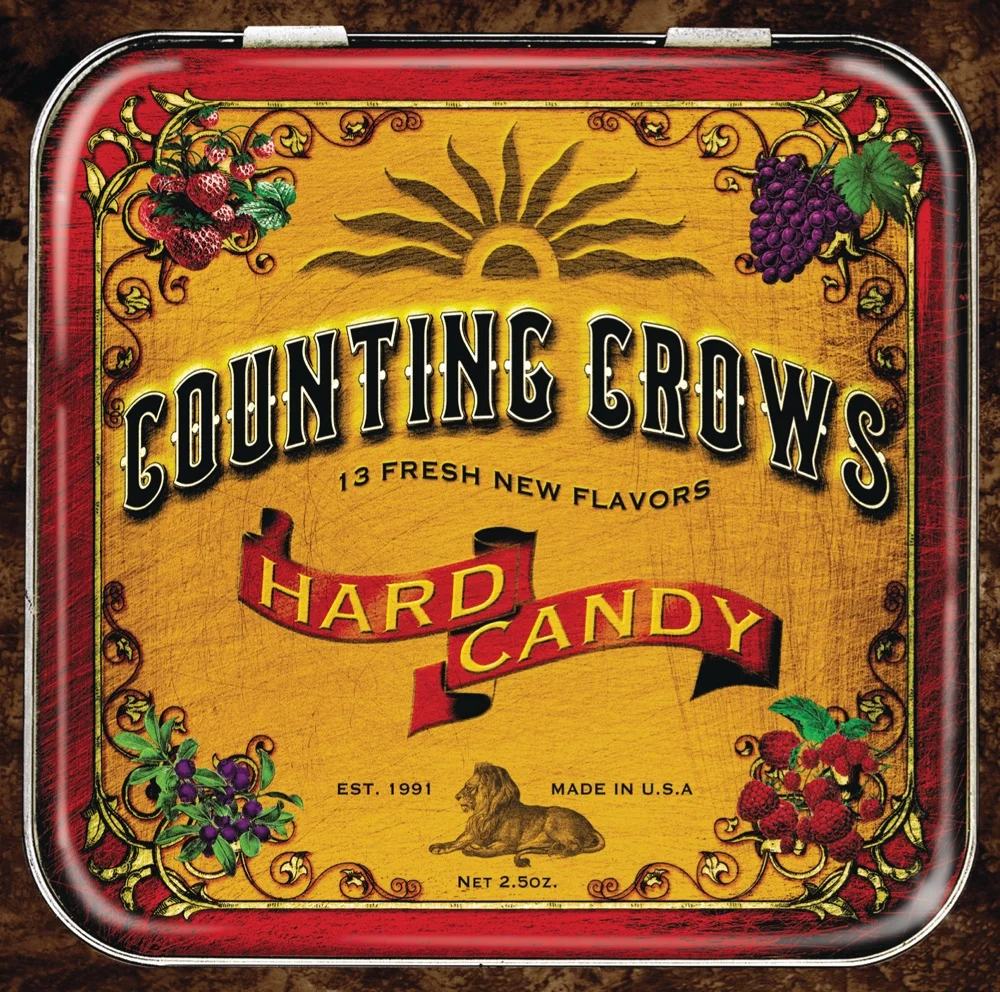
Originally written by Joni Mitchell, the Counting Crows' cover of Big Yellow Taxi became a massive hit in 2002, featuring on the soundtrack for *Two Weeks Notice* and their album *Hard Candy*. Adam Duritz brings a looser, grittier baritone vibe to the track compared to Mitchell's crisp soprano original.
To sing this well, you need to master the art of "laid-back" delivery without losing the rhythm. The song features Vanessa Carlton on backing vocals, but the lead requires a confident chest voice and the ability to slide into notes rather than hitting them squarely on the beat every time.
AI Coach Tip: Watch the "Scoop"
Adam Duritz frequently "scoops" into his notes (starting slightly below pitch and sliding up). While stylish, beginners often stay flat. Ensure you arrive at the target pitch quickly to maintain a high score.
Phase 1: The Verses (Conversational Tone)
The verses ("They paved paradise...") are sung in a range that is very close to speaking for most male voices (B2 to E3). The key here is diction and storytelling.
The Trap: Because it feels like talking, singers often drop their breath support, leading to a vocal fry or weak tone. Keep your diaphragm engaged even when singing quietly to maintain a warm, resonant sound.
Phase 2: The Chorus (Projection)
The chorus ("Don't it always seem to go...") jumps up in energy. You need to project more here. The melody hovers around E4 and F#4, which is the "passaggio" (bridge area) for many baritones.
- Resonance: Aim for a forward, nasal placement (mask resonance) to help the vocals cut through the guitars.
- Rhythm: The phrasing on "put up a parking lot" is staccato. Keep it punchy.
Phase 3: The Ad-libs (The Duritz Factor)
The Counting Crows version is famous for its "Hey, hey, hey" and "Ooh-bop-bop" ad-libs towards the end. These require a sense of freedom. Don't overthink the specific notes; focus on the emotional "cry" in the voice.
The highest belted note hits around a G#4 during these improvisations. If this is out of your range, you can flip into a mix or falsetto, as the style of the song allows for flexibility.
Frequently Asked Questions
Adam Duritz belts up to a G#4 (and occasionally touches an A4 in ad-libs). The main melody stays comfortably below F#4.
Yes, Tenors will find the high notes very comfortable, though the low B2 in the verses might require a bit more breath support to be audible.
No. This version is heavily syncopated. Duritz sings behind the beat often. Listen closely to the original track to internalize the groove.