
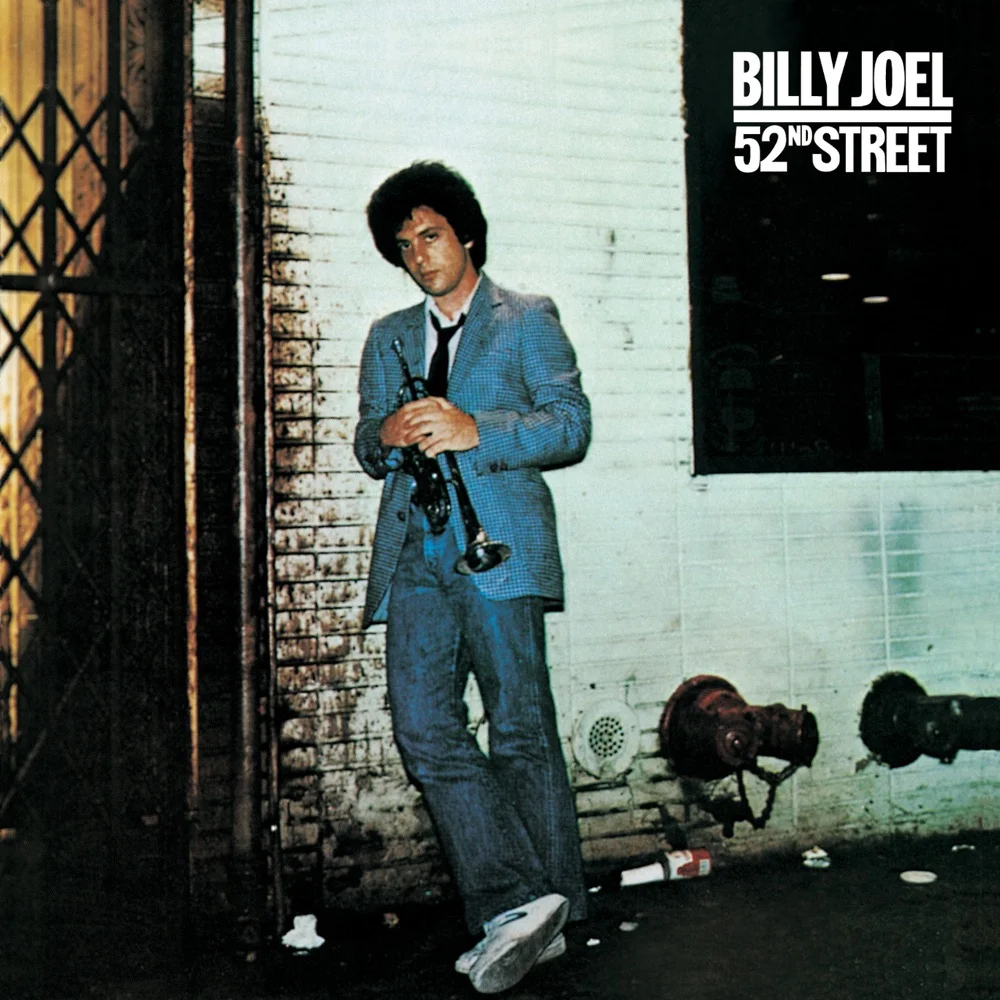
The Ultimate "Morning After" Anthem
"Big Shot" is one of Billy Joel's punchiest rock tracks from his 1978 album 52nd Street. Rumored to be inspired by a bad date or a socialite hangover, the song demands a vocal performance dripping with sarcasm, frustration, and swagger. It is not about singing beautifully; it is about singing with character.
While the range is relatively contained compared to his ballads, the stamina required to maintain the aggressive chest-voice belt throughout the song is significant. Let's break down how to nail the delivery without shredding your vocal cords.
AI Coach Tip: Watch Your Diction
The verses are fast and conversational. Many singers slur the words "limousine" or "magazine." Focus on crisp consonants (T's and K's) to maintain the percussive feel of the song.
Phase 1: The Scolding Verses
The song starts with a lecture: "Well you went uptown riding in your limousine." This sits comfortably in the middle register for most male voices.
The Technique: Treat this almost like speaking on pitch. Use a "staccato" delivery—short, detached notes. If you sing it too smoothly (legato), you lose the angry, mocking tone that makes the song work. Keep your jaw loose.
Phase 2: The Chorus Belt
The energy explodes on "You had to have a BIG SHOT!" This is where you hit the top of the chest register (around G4). This note needs to be powerful.
- Breath Support: Engage your core before the word "You" to prepare for the jump.
- Vowel Modification: On the word "Shot," think of modifying the vowel slightly towards "Shat" or "Shut" to keep the sound forward and bright. A pure "Shot" (AW sound) can sometimes fall back in the throat and sound dull.
Phase 3: The Bridge (Dynamics)
During the section "They were all impressed with your Halston dress," the aggression pulls back slightly. This is your chance to breathe. The melody becomes more melodic and less rhythmic.
Use this section to reset your larynx position. If it has crept up high during the chorus, consciously relax your neck muscles here so you are ready for the final outro.
Frequently Asked Questions
The highest belted chest-voice note is a G4. There are ad-libs and falsetto moments in the backing vocals that go higher, but the lead melody peaks at G4.
Billy Joel uses vocal fry and compression. Do not just scream. Try to find a "clean" clear note first, then add a little "cry" or "whine" to it. This adds the distortion perception without the damage.
Yes, Tenors will find the G4 very comfortable. You may need to darken your tone slightly in the lower verses to match the "Baritone" weight of the original recording.