
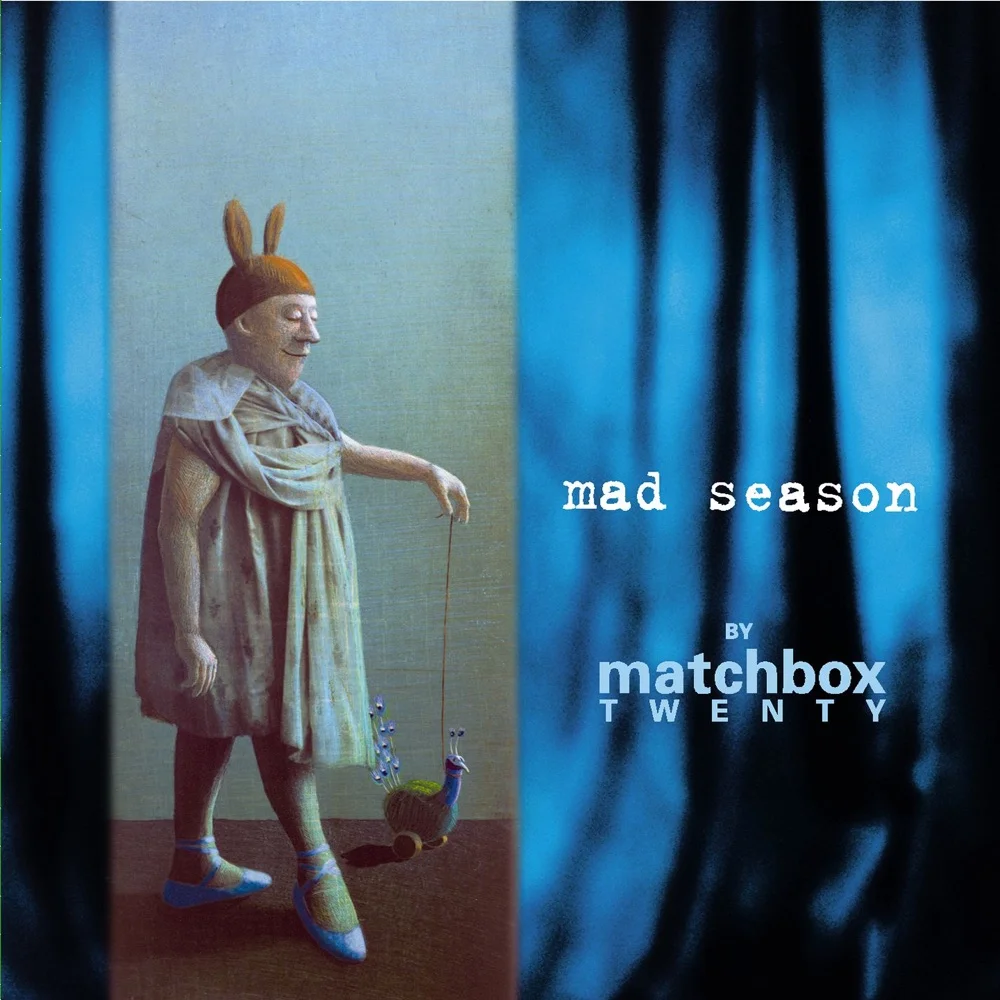
The Ultimate Post-Grunge Anthem
"Bent" is the standout track from Matchbox Twenty's 2000 album Mad Season. It showcases Rob Thomas at his vocal peak—raw, emotive, and technically precise. The song balances a conversational lower register in the verses with an explosive, gritty belt in the chorus.
To sing this well, you need to master the art of "controlled tension." You want the sound of emotional desperation without actually constricting your vocal cords. Let's break down exactly how to tackle it, section by section.
AI Coach Tip: Watch the Jaw Tension
Many singers clench their jaw during the chorus lines "Can you help me I'm bent." Our analysis shows this limits range and causes fatigue. Keep your jaw loose and drop it vertically for the higher notes.
Phase 1: The Verses (0:00 - 0:54)
The song starts in the lower end of the baritone range (around C#3). The line "If I fall along the way" should be sung with a chest-dominant resonance. It acts as the storytelling foundation.
The Trap: Don't make the verses too breathy. You need a solid core sound to contrast with the explosive chorus that follows. Enunciate the consonants clearly to match the rhythmic guitar strumming.
Phase 2: The Chorus (0:55 - 1:26)
This is the hook. The melody jumps up to F#4. The lyrics "Can you help me I'm bent" require a strong chest belt or a mixed voice with heavy chest resonance.
- The "Hey" Entrance: Attack this note with confidence but ensure you are supporting from your diaphragm.
- I'm Bent: Hold the vowel shape open. If you close your mouth too much on the 'e' sound, you will sound pinched. Modify the vowel slightly towards 'eh' or 'ah'.
- Dynamics: The chorus should be significantly louder (forte) than the verses.
Phase 3: The Bridge & Outro (2:45 - End)
The bridge ("Start it up...") builds tension through repetition. You need stamina here. The ad-libs in the outro often reach up to G#4 or A4. Rob Thomas uses a "cry" technique here—a vocal moan that helps thin out the vocal folds while maintaining power.
To hit the high notes safely, think of directing the sound "forward" into the mask of your face, rather than pushing it from your throat.
Frequently Asked Questions
The main melody consistently belts to an F#4. However, Rob Thomas hits improvised notes reaching G#4 and A4 during the outro/ad-libs.
Yes! While Rob Thomas is a Baritone, the range is very comfortable for Tenors. You might find the low notes in the verse (C#3) require a bit more focus to keep audible.
Use "vocal fry" at the onset of the note combined with strong airflow. Never squeeze your throat to get distortion. The Singing Coach AI app can monitor your strain levels.

