
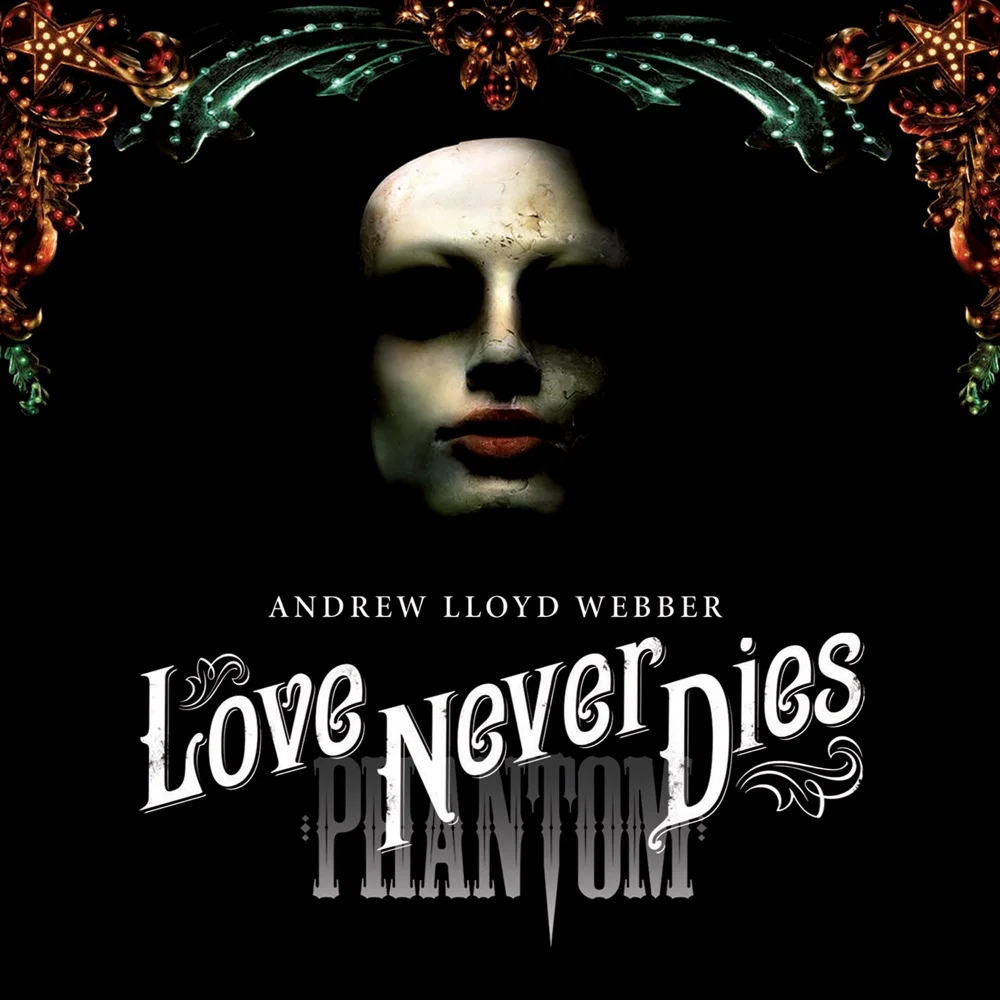
A Reunion Ten Years in the Making
Beneath a Moonless Sky is the pivotal confrontation scene from Love Never Dies, the sequel to The Phantom of the Opera. It depicts the reunion of The Phantom and Christine Daaé on Coney Island. Musically, it is a tour-de-force that blends the conversational intensity of musical theatre recitative with the sweeping, legato lines of classical opera.
For vocalists, the challenge lies in the "acting through song." The track is over seven minutes long and moves through complex emotions—anger, confusion, nostalgia, and finally, overwhelming passion. You cannot just sing the notes; you must tell the story.
AI Coach Tip: Dynamic Contrast
Many singers push too hard too early. The opening verses ("I willed you to come...") should be sung with a 'held-back' intensity. Use more breath than volume initially, saving your full resonance for the chorus modulation.
Phase 1: The Tension (Recitative Style)
The song begins with a driving, syncopated rhythm. Both singers are trading lines that feel more like spoken arguments than melodies. The key here is diction. The Phantom’s lower notes (around A2/B2) need to be clear and forward-placed, not swallowed. Christine’s responses must be sharp and rhythmic.
The Trap: Rushing the tempo. Because the emotional stakes are high, singers tend to speed up. Sit back in the groove of the orchestra and let the rhythm carry you.
Phase 2: The Nostalgia (Legato)
As the lyrics shift to the past ("And I was there..."), the melody smooths out. This requires a shift in technique to a seamless legato.
- Breath Support: The phrases become longer. Ensure you are taking deep, diaphragmatic breaths during the rests.
- Vowel Modification: On higher notes, modify vowels towards "Ah" or "Uh" to keep the throat open and avoid a pinched sound.
Phase 3: The Passion (The Climax)
The song builds to a massive climax where both voices overlap. For the Tenor (Phantom), the challenge is sustaining high Gs and As with a full, chest-heavy mix that conveys power without shouting. For the Soprano (Christine), the challenge is floating the high notes with a mix of despair and longing, often reaching up to a high Bb5 and C6.
To nail the harmony, focus on listening. If you are singing this as a duet, your volume must match your partner's. If one voice overpowers the other, the emotional tension collapses.
Frequently Asked Questions
The Phantom ranges from a low A2 up to a belted G#4/A4. Christine’s part ranges from middle C4 up to a high Bb5 (with ad-libs potentially higher).
Yes, though it is written as a duet. In the Singing Coach AI app, you can mute one vocal track to sing along with the other character, essentially acting as your duet partner.
The leap on "Sky" sits right in the passaggio for many singers. Practice sliding (glissando) up to the note on a lip trill to smooth out the bridge between chest and head voice.