
Character Over Perfection
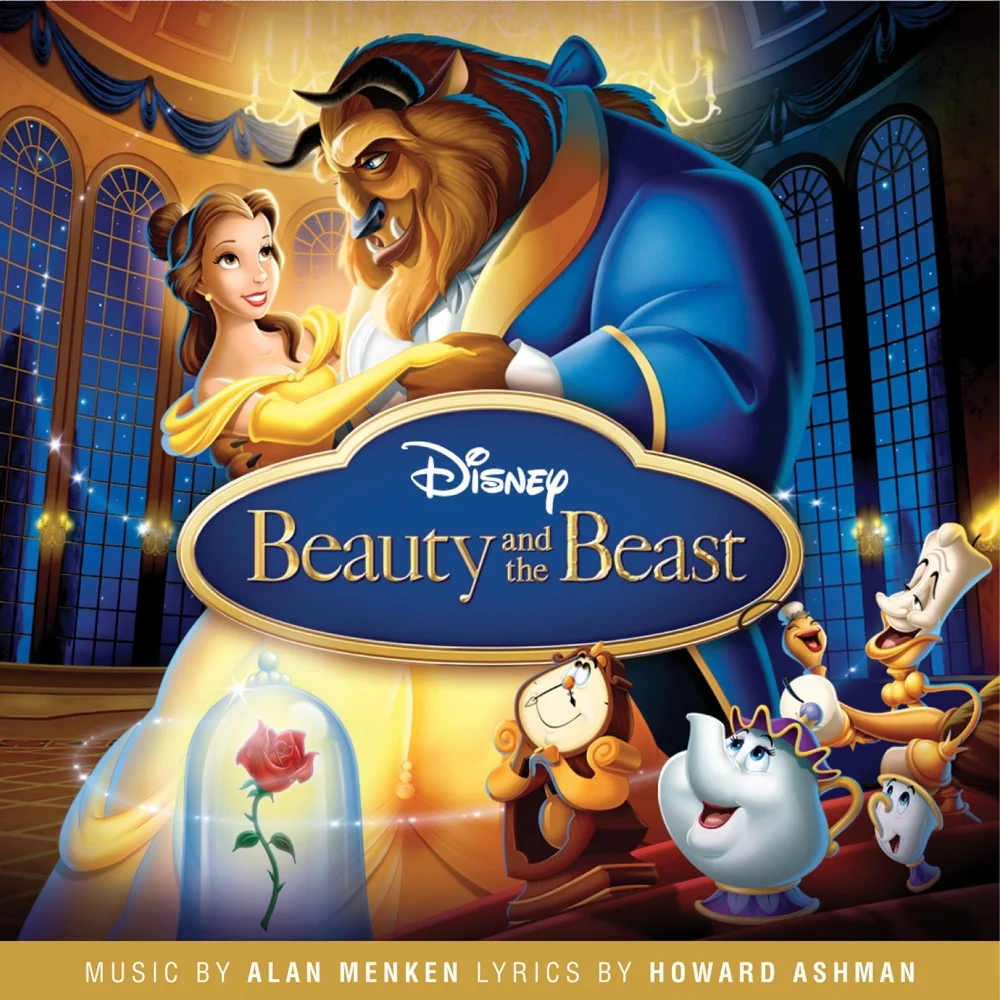
Angela Lansbury’s rendition of Beauty and the Beast as Mrs. Potts is a masterclass in character singing. Unlike the Pop version by Celine Dion, this track isn't about hitting high belts or vocal acrobatics. It is about warmth, reassurance, and storytelling. It requires a solid lower register and the ability to convey a "motherly" smile through your tone.
To sing this well, you must embrace the "Sprechstimme" (speak-singing) style in the verses while maintaining a legato line. The challenge lies in the rapid key changes and the emotional swell of the bridge.
AI Coach Tip: Watch Your Diction
Lansbury articulates every consonant crisply ("Barely even friends," "Bending unexpectedly"). Our analysis shows users who slur their words score 15% lower on average. Keep the lips active!
Phase 1: The Storyteller (0:00 - 1:24)
The song begins in Db Major. The opening line "Tale as old as time" should be sung comfortably in your chest voice. Do not push for volume here. Imagine you are reading a bedtime story to a child.
The Trap: Many singers try to make the tone too "pretty" or breathy. Lansbury uses a focused, slightly nasal placement (typical of the character) which gives the voice age and wisdom without sounding strained.
Phase 2: The Emotional Peak (1:25 - 2:05)
Here the song modulates to connect the bridge ("Certain as the sun"). The melody rises, and the instrumentation swells. This is where you need to engage your diaphragm support.
- Rising in the East: Allow the volume to grow naturally. Keep the vowels open (an 'Ah' shape) rather than spreading them wide.
- Tale as old as time: When the title line returns, it is often in a new key (Eb Major or F Major depending on the edit). Ensure you navigate the key change with confidence; don't slide into the new pitch, hit it squarely.
Phase 3: The Tender Close (2:06 - End)
The song winds down with "Bittersweet and strange." The challenge here is control. You are likely moving from a forte (loud) volume back to a piano (soft) volume instantly.
The final note on "Beauty and the Beast" is sustained. Lansbury uses a distinct, somewhat wide vibrato here. To replicate this style, allow your vibrato to kick in immediately rather than holding a straight tone first.
Frequently Asked Questions
The highest note is generally a C5 (in the final key), though it is sung in a mixed voice that feels very accessible. It does not require a high belt.
Not necessarily. While Lansbury plays an older character, the goal is to achieve the *warmth* of the character. Focus on a darker resonance (low larynx) rather than forcing a "fake old" voice which can damage your cords.
Yes. The range is moderate and the tempo allows for plenty of breath. It is excellent for practicing emotional delivery and diction.