
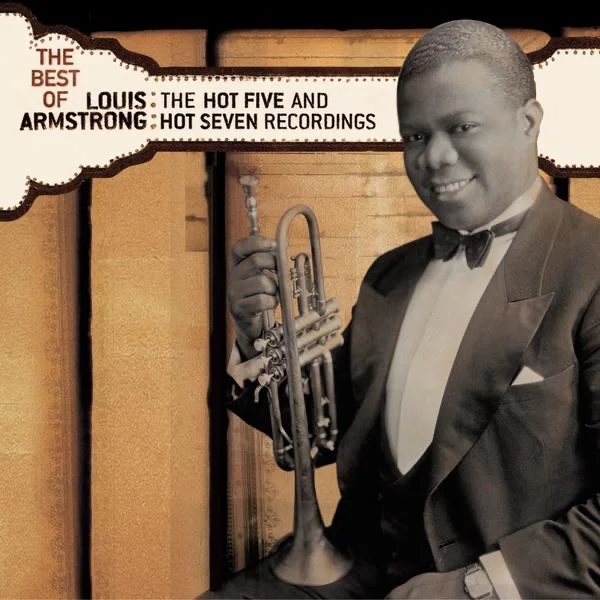
The King of Jazz Vocals
Basin Street Blues is more than just a song; it's a masterclass in jazz phrasing and improvisation. Originally written by Spencer Williams, Louis Armstrong made this track iconic with his 1928 recording. It features the "call and response" interaction between voice and instrument that defines the Dixieland style.
To sing this well, you need to abandon strict metronomic timing. Armstrong sings "behind the beat," creating a relaxed, lazy feel that is surprisingly difficult to replicate perfectly. Let's break down exactly how to tackle it.
AI Coach Tip: Watch Your Tone
Many singers try to force the "growl" by squeezing their throat. This causes strain. Our analysis looks for resonance and open-throat technique, even when adding grit to the sound.
Phase 1: The Verse (0:00 - 1:15)
The song begins with the verse "Won't you come along with me." This section sits in the middle of the Baritone range. The key here is diction mixed with legato phrasing. You want to connect the words smoothly.
The Trap: Rushing. The tempo is slow. Singers often anticipate the next line too early. Practice counting the subdivision (1-and-2-and) to stay locked in the pocket.
Phase 2: The Chorus (1:15 - 2:05)
When the melody shifts to "Basin Street is the street," the range expands slightly upwards. This is where you can inject more volume and "brightness" into your tone.
- Land of Dreams: Slide into the notes (glissando) rather than hitting them squarely. This mimics a trombone slide.
- Steaming: Hold this note with a fast, wide vibrato to match Armstrong's trumpet style.
Phase 3: The Scat Solo (2:05 - End)
This is the most famous part of the recording. Armstrong abandons lyrics for vocal improvisation using nonsense syllables. He treats his voice exactly like a trumpet.
To score high here, you need precision. The syllables "Ba-ba-da-bop" must be percussive. Use your diaphragm to punch the accents. Do not slur the notes together; keep them articulate and rhythmic.
Frequently Asked Questions
In the standard Armstrong key, the highest melody note is generally an E4, though he often scats higher into the G4 range depending on the version.
Yes. The song works beautifully in higher keys. You can transpose the track up +4 or +5 semitones using the Singing Coach AI app to fit a female range.
Start by imitating the recording exactly. Listen to the instrumental solos and try to sing them back. The app allows you to loop the scat section to practice the syllables slowly.