The Quintessential Heartland Rock Anthem
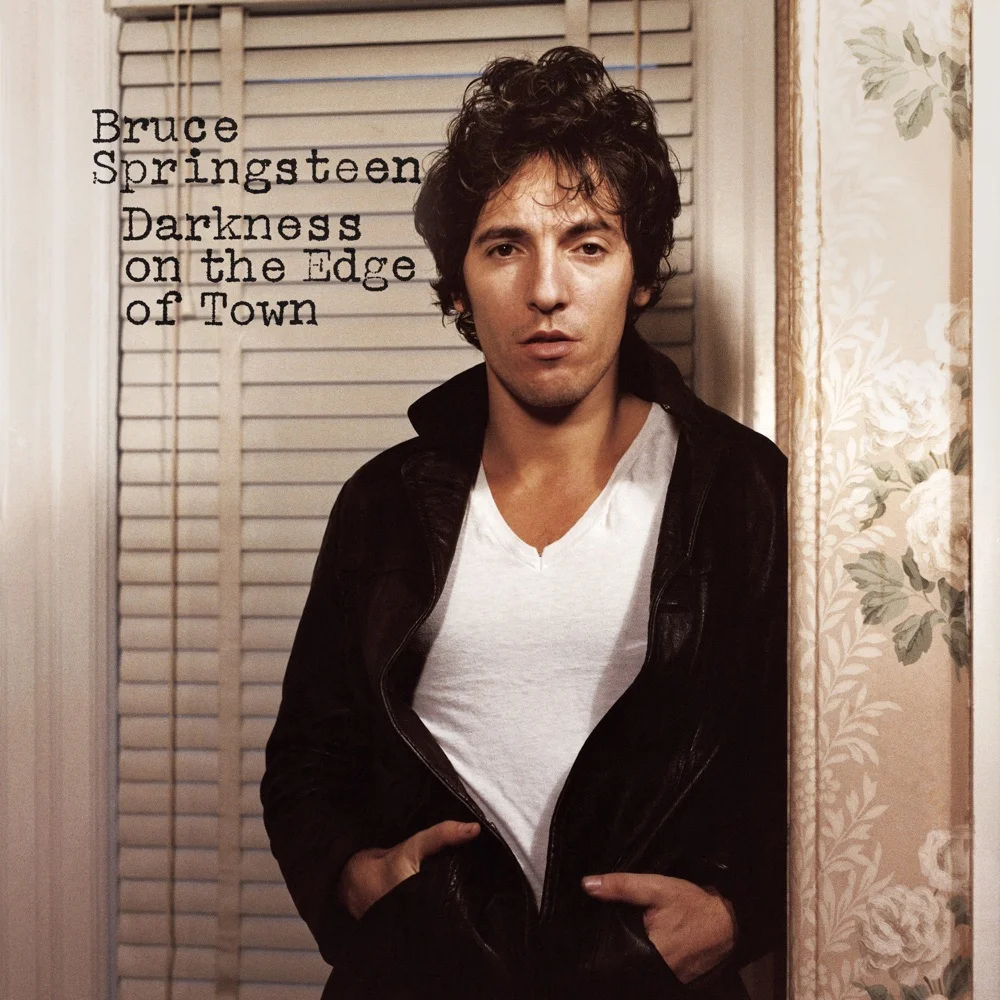
Released on the 1978 album Darkness on the Edge of Town, "Badlands" is one of Bruce Springsteen's most iconic vocal performances. It captures a specific vocal style: the desperate, energetic shout that remains melodic. Unlike pop ballads, this song isn't about perfect purity; it's about conviction and raw texture.
To sing this well, you need to navigate the fine line between powerful belting and yelling. Yelling will hurt your voice; belting with support will create that legendary sound. Let's break down how to channel your inner Boss.
AI Coach Tip: Manage Your "Grit"
Many users try to force the rasp from their throat, leading to a low score on sustain. Our analysis suggests adding the "gravel" only at the ends of phrases, keeping the core vowel clear for better pitch tracking.
Phase 1: The Verses (Storytelling Mode)
The song starts with a driving beat. The verses ("Lights out tonight...") sit comfortably in the middle chest register for most male voices. The key here is rhythmic precision.
Springsteen sings slightly behind the beat in some live versions, but on the record, he is punchy. Treat the lyrics like a conversation that is heating up into an argument. enunciate the consonants clearly to cut through the wall of sound.
Phase 2: The Chorus (Controlled Chaos)
The chorus explodes with the word "Badlands!" This jumps up to the higher end of the chest voice (around F4-G4). You must drop your jaw and use an open vowel shape (resembling "Ah" more than "Ae") to hit this note with power.
- Support: Engage your abs before you sing the first note of the chorus. If you wait until you are singing, you will be too late.
- Placement: Aim the sound forward, towards your hard palate, to get that bright, ringing rock tone.
Phase 3: The "Whoa-ho-ho" Chants
The bridge and the outro rely heavily on wordless vocalizing. This is a stamina test. By the end of the song, your vocal cords may be fatigued. Ensure you are taking deep, low breaths (expanding the stomach, not the shoulders) between these phrases.
Frequently Asked Questions
The highest sustained belted note is generally a G4, though ad-libs and live variations can push to an Ab4. It sits high in the tessitura for a Baritone.
Springsteen's rasp comes from false chord engagement (the structures above your vocal cords). Practice a "frustrated sigh" sound gently. If you feel tickling or coughing, stop immediately and rest.
Yes. If the G4 belt is too high, use the Singing Coach AI app to lower the backing track by -1 or -2 semitones. This maintains the energy while saving your voice.