Mastering the Garage Rock Grit
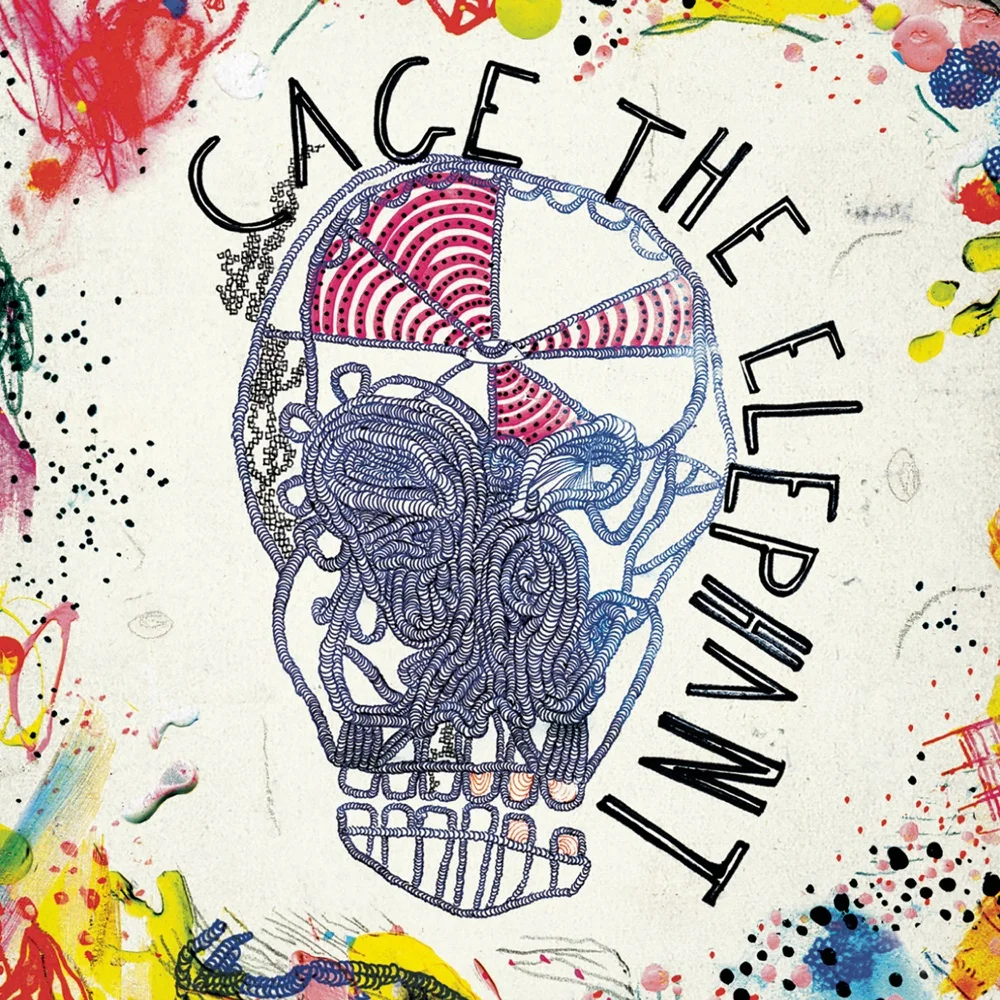
"Back Against the Wall" captures the raw, frenetic energy of Cage the Elephant's self-titled debut album. Vocalist Matt Shultz delivers a performance that oscillates between a bored, spoken-word style verse and a manic, high-energy chorus. It defines the garage rock revival sound.
To sing this well, precision takes a back seat to attitude. However, the technical challenge lies in maintaining that gritty texture without blowing out your voice in the first minute. You need stamina and excellent breath support to survive the relentless tempo.
AI Coach Tip: Don't Squeeze the Throat
Many users try to mimic Matt's grit by tightening their neck muscles. This causes pitch to go sharp and damages vocal cords. Instead, increase your diaphragm support and relax your tongue to achieve a safer "fry" or rasp.
Phase 1: The Verses (The Slacker Vibe)
The song starts with a thumping bassline and vocals that sit in the lower mid-range. The delivery here should be loose and almost conversational. "In the circle of the table, turning..."
The Trap: Because the verses are "talk-sung," singers often lose the rhythmic pocket. The AI Coach tracks your timing heavily here. You must be locked in with the snare drum, even if the melody is simple.
Phase 2: The Pre-Chorus Build
As the guitars ramp up, so should your intensity. You aren't belting yet, but you are adding more "metal" to your voice. This is a transition zone where you switch from a spoken resonance to a singing chest voice.
Phase 3: The Chorus Belt
"Ain't nothing else to do..." requires a strong, forward-placed belt. The melody jumps up, and the texture becomes aggressive. This is the stamina test.
- Volume: Don't shout. Use "twang" (a brighter, brassier tone) to cut through the mix rather than just pushing more air.
- Vowels: Modify your vowels to be more open. A narrow mouth shape here will trap the sound and cause strain.
Frequently Asked Questions
The highest sustained notes in the chorus hit around A4. Shultz often pushes these notes into a scream/shout, but for singing purposes, aim for a controlled belt.
The original key is G Minor. If the chorus strains your voice, use the Singing Coach AI app to transpose the track down -2 semitones to F Minor for an easier belt.
Yes, but be careful with the distortion. The melody is simple, but the stylistic technique requires care to avoid vocal fatigue.