
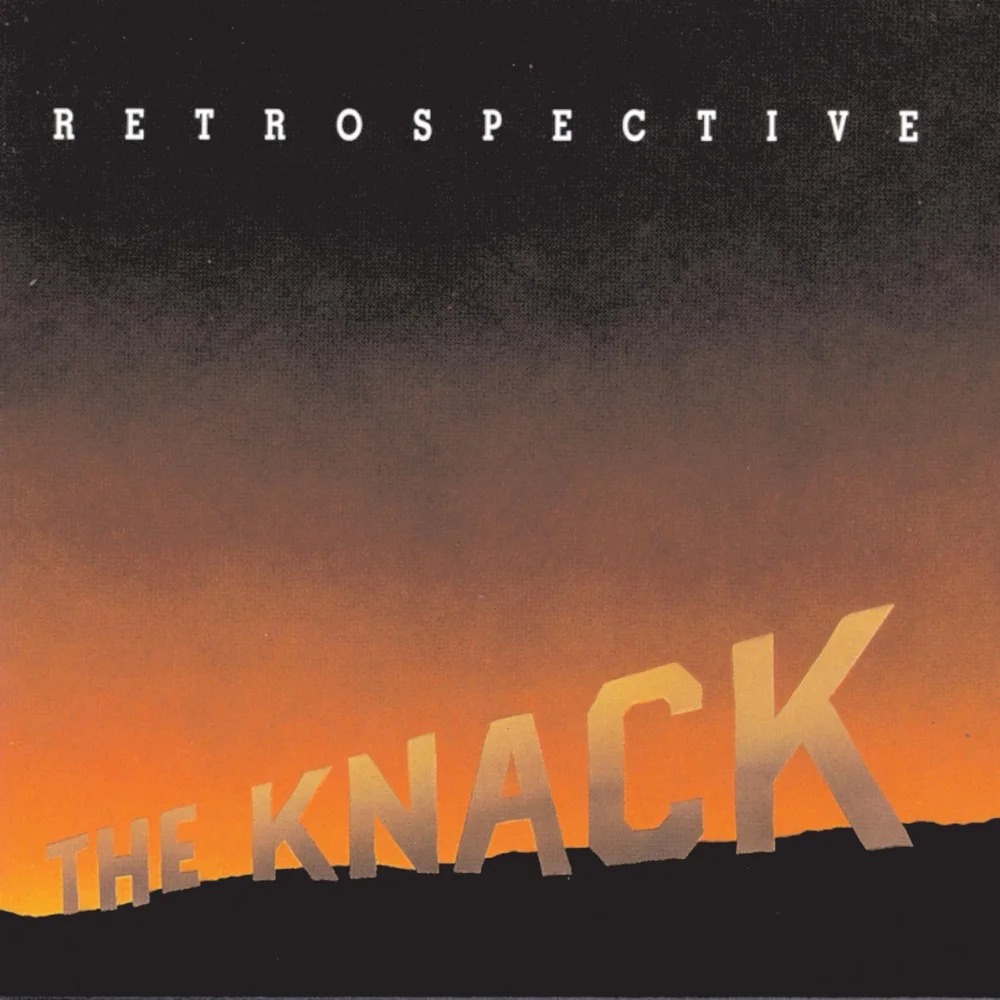
Mastering the Power Pop Anthem
"Baby Talks Dirty" by The Knack, released on their 1980 album ...But the Little Girls Understand, is a masterclass in energetic delivery and rhythmic precision. Often compared to their mega-hit "My Sharona," this track demands high stamina and a punchy, staccato vocal attack.
To sing this well, you need to channel Doug Fieger's distinctive style—a mix of rock grit and nervous energy. The challenge lies less in the range and more in the rapid-fire phrasing and maintaining consistent breath support through the driving verses.
AI Coach Tip: The "Hiccup"
Doug Fieger uses a vocal "hiccup" technique (a quick flip between chest and head voice) for stylistic effect. Our analysis shows that users who exaggerate the rhythm on "Baby" score higher on style points.
Phase 1: The Verse (Staccato Attack)
The song kicks off with high energy. The verses ("Hurtin' my eyes...") are delivered in a clipped, staccato fashion. You cannot be lazy with your diction here.
The Trap: Singers often drag the notes, making the song feel slow. Keep your consonants sharp and your vowels short. Think of your voice as a percussion instrument locking in with the drums.
Phase 2: The Chorus (The Hook)
The chorus opens up melodically. The line "Baby talks dirty to me" requires a shift from the staccato verse to a slightly smoother, but still gritty, delivery.
- Volume: Step up the dynamics. This is the release of tension built in the verse.
- Placement: Keep the sound forward in the "mask" (the front of your face) to cut through the heavy guitars.
- Attitude: This song is all about attitude. Don't sing it pretty; sing it with swagger.
Phase 3: The High Belt
While the song mostly sits in a comfortable mid-range, there are moments where Fieger pushes up to an A4. This usually happens during ad-libs or the climax of the bridge.
To hit this A4 safely, avoid shouting. Use "twang" (narrowing the epiglottis) to get that piercing rock sound without straining your vocal cords. Ensure you have plenty of breath support from your diaphragm.
Frequently Asked Questions
The highest belted chest-voice note is an A4. There may be brief falsetto flips that go higher for effect.
Yes, but it requires good energy in the upper-mid range. The song sits mostly in G3-G4, which is the "break" area for many baritones, making it a good workout for your mix voice.
Start with a clean tone and add "cry" or "whine" to the sound. Do not simply push more air, as this can damage your voice. Use the Singing Coach AI app to monitor your vocal health.