
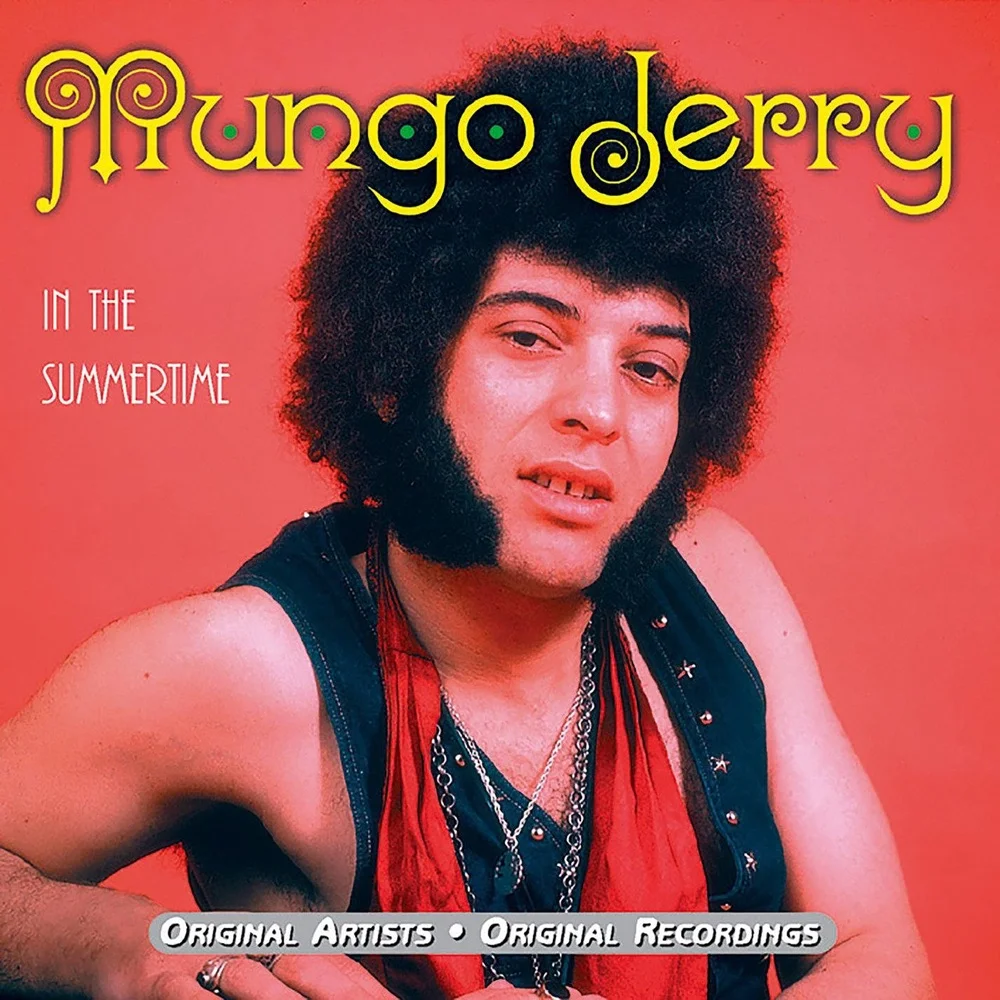
The Ultimate Foot-Stomping Anthem
"Baby Jump" is a masterclass in high-energy rockabilly and blues. Written by Ray Dorset for Mungo Jerry's 1971 release, this track topped the UK charts with its infectious rhythm and piano-driven aggression. Unlike ballads that require delicate head voice control, this song demands attitude, rhythm, and a solid chest voice.
To sing this well, you need to channel the early rock 'n' roll spirit. It's less about perfect operatic technique and more about the "pulse" of the song. You need to lock in with the beat and deliver the lyrics with a percussive punch.
AI Coach Tip: The Shuffle Feel
Many singers make the mistake of singing the eighth notes "straight." "Baby Jump" relies on a shuffle feel (triplet feel). The AI Coach analyzes your rhythmic timing—make sure you are swinging the beat, not singing it squarely.
Phase 1: The Verses (0:00 - 1:15)
The song kicks off in E Major. The verses ("Daddy's gonna cry over you...") are almost spoken-word in their delivery, sitting comfortably in the A2 to A3 range. This is the storytelling section.
The Trap: Because the range is low, singers often drop their energy. Keep your diction crisp and your placement forward in the "mask" of your face to ensure the lyrics cut through the heavy piano and stomping beat.
Phase 2: The Chorus (Refrain)
The energy spikes when the refrain hits. The repetition of "Baby jump" requires a punch of air from the diaphragm. You aren't just singing the notes; you are barking them rhythmically.
- Tone: Aim for a "brassy" tone. Avoid a soft or breathy sound.
- Rhythm: The lyrics must land precisely on the downbeats to match the piano stabs.
- Range: It climbs up to an E4, which is the "break" area for many baritones. Don't flip to falsetto; keep it in chest voice for that rock sound.
Phase 3: The Growl and Attitude
Ray Dorset is known for his signature growl. This adds texture to the simple melody. To achieve this safely, use "vocal fry" mixed with your chest voice, or safe distortion techniques.
Do not push from your throat to get the rasp, as this will cause hoarseness. Instead, rely on good breath support and allow the vocal folds to relax slightly to create that buzz. The attitude should feel like you are smiling while shouting.
Frequently Asked Questions
The vocal melody generally peaks around E4, though with ad-libs and shouts, it can feel higher due to the intensity of the delivery.
Not naturally. You can sing it clean, but adding safe vocal distortion or "twang" helps mimic the original style. The Singing Coach AI app can help you monitor tension levels.
Yes. The range is very accessible for male voices. The main challenge is staying in the pocket of the rhythm and maintaining stamina for 4 minutes.