
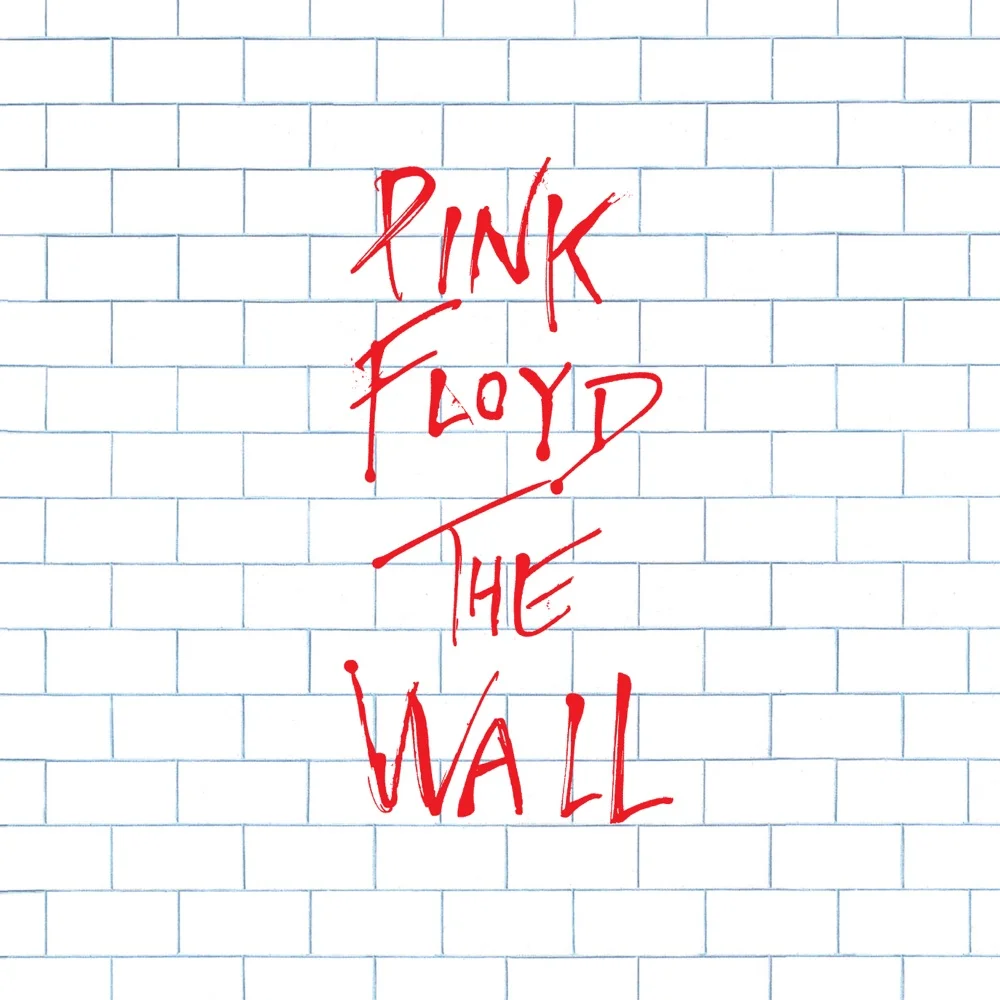
The Ultimate Protest Anthem
Released in 1979 on Pink Floyd's rock opera The Wall, "Another Brick in the Wall Pt. 2" is unique in its vocal structure. It contrasts the smooth, cynical delivery of David Gilmour in the verses with the rebellious, flat-toned chant of a school choir in the chorus.
Unlike power ballads that require massive vocal range, this song demands incredible rhythmic precision and tonal control. You need to sound bored yet dangerous in the verses, and unified and punchy in the choruses. Here is the breakdown.
AI Coach Tip: Articulation is Key
Because the melody is repetitive, your diction matters. On lines like "We don't need no thought control," emphasize the hard consonants (T's and K's) to create the percussive effect required for the style.
Phase 1: The Gilmour Verse (0:00 - 1:15)
The song sits in D Minor. The verse melody revolves tightly around D3 and F3. It sounds easy, but the challenge is the "affect." You should sing with a chest-dominant voice but keep the volume at a conversational level.
The Trap: Many singers add too much vibrato here. This is a rock song with disco influence; keep your sustained notes straight and flat to maintain that cold, cynical emotion.
Phase 2: The Choir Chorus (1:15 - 2:09)
This is the iconic "We don't need no education" section. In the original recording, this was performed by the Islington Green School choir. If you are singing this solo, you need to change your resonance.
- Tone: Bright and forward. Think of a "shout" but with pitch control.
- Uniformity: Do not scoop into notes. Hit the pitch dead center immediately. The charm of the choir sound is its lack of nuance—it is blunt and direct.
- Rhythm: The syllables must land exactly on the grid. "Ed-u-ca-tion" should feel mechanical.
Phase 3: The Attitude & Groove
Underneath the vocals is a strict 4/4 disco beat (approx 100 BPM). The vocals must sit "in the pocket." If you drag behind the beat, the song loses its rebellious energy.
When recording in the Singing Coach AI app, watch the timing visualization. Focus on starting your phrases exactly on the downbeat to match the tight bassline played by Roger Waters (or Gilmour on the record).
Frequently Asked Questions
The main melody hits an F4. However, backing harmonies can reach higher. The song is very comfortable for Baritones and low Tenors.
Yes. To simulate the choir effect solo, try recording multiple takes in the app and layering them, or simply use a brighter, "shouty" tone (without straining) to differentiate it from the verse.
It is in D Minor. The verses hang on the Dm chord, while the chorus moves to G major before resolving back to Dm.