
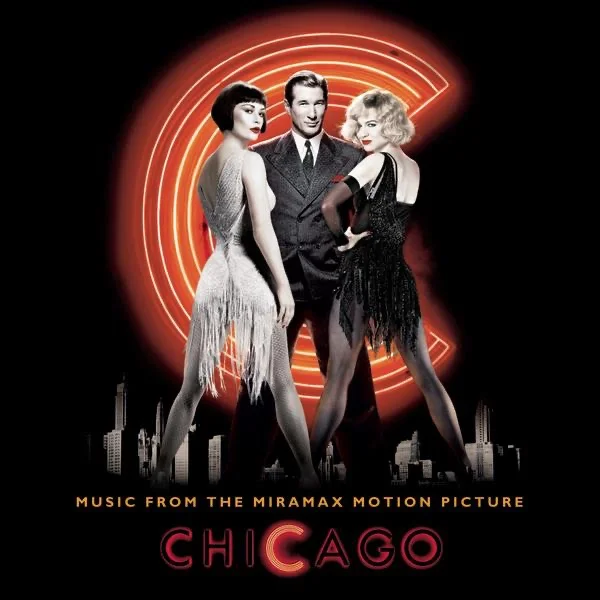
The Anthem of Vaudeville Jazz
Written by Kander and Ebb, "All That Jazz" is the opening number of the musical Chicago. Catherine Zeta-Jones' rendition for the 2002 film is widely considered the gold standard for modern altos. It captures the essence of the character Velma Kelly: gritty, breathless, and commanding.
To sing this correctly, you must treat your voice like a jazz instrument. It requires slides, purposeful vocal fry, and impeccable timing. The challenge isn't the range—it's the style.
AI Coach Tip: Control the "Air"
A common mistake is mistaking "breathy" for "weak". The opening lines ("Come on babe...") require high airflow but firm cord closure to maintain pitch accuracy. Do not let the note wobble.
Phase 1: The Breathy Intro (0:00 - 1:15)
The song starts low and sultry. The phrase "Why don't we paint the town?" sits in the lower register (F3-A3). The goal here is intimacy. You are inviting the listener into a secret.
The Trap: Dropping the energy. Even though it is quiet, your core must be engaged. Use a "vocal fry" onset on words like "Jazz" or "Knees" to add that signature Velma Kelly growl.
Phase 2: The Storytelling (1:15 - 3:40)
As the tempo picks up, diction becomes king. Lines like "Slick your hair and wear your buckle shoes" need to be spat out with rhythmic precision.
- Consonants: Over-enunciate the 'K's and 'T's. This is musical theatre; the audience needs to hear every word over the brass section.
- Placement: Move your resonance forward into the "mask" (the front of your face) to get that bright, brassy sound without straining your throat.
Phase 3: The Big Finish (3:40 - End)
The finale requires a transition from the conversational tone to a full theatrical belt. The final sustained "And all that JAZZ" climbs to a D5.
To nail this, drop your jaw and think of the vowel as an "Ah" rather than a tight "Aa". Keep the larynx neutral. If you raise your chin to reach the note, you will cut off your air supply. Anchor your feet and drive from the diaphragm.
Frequently Asked Questions
The highest belted note is a D5 in the final climactic phrase. The rest of the song sits comfortably in the speech-level range.
Yes, this is arguably one of the best audition songs for Altos and Mezzo-Sopranos. It showcases low notes, character acting, and a strong middle belt.
The growl comes from false cord engagement, not grinding your true vocal cords. Practice doing a gentle "clearing throat" sound on a pitch to find the sensation safely.