
Mastering the Modern Baritone Anthem
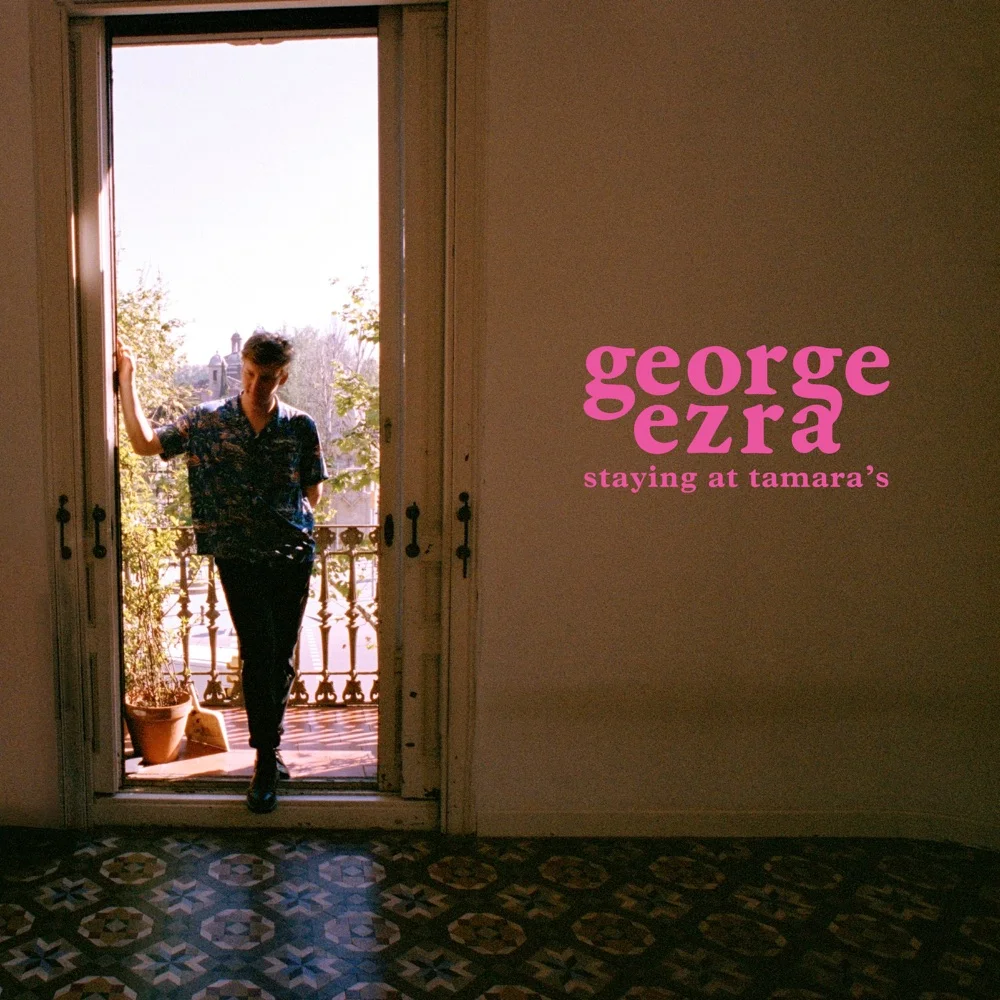
Released on his sophomore album Staying at Tamara's, "All My Love" is a quintessential George Ezra track: infectious, upbeat, and built on a foundation of rich, resonant low notes. It’s a fantastic song for beginners because it doesn't require extreme range, but it does demand excellent rhythm and breath support.
To sing this well, you need to channel a relaxed, "lazy" jaw to get that specific tonal color. If you are a Tenor, you might find the verses sit quite low; if you are a Baritone, this is your time to shine. Let's break down the technique.
AI Coach Tip: Watch Your Tempo
The verses are wordy and fast-paced. Our analysis shows many users rush ahead of the beat. Practice speaking the lyrics in rhythm without the melody first to lock in the groove.
Phase 1: The Verses (Deep & Rhythmic)
The song starts in a low chest register (hitting down to B2). The key to hitting low notes with volume is relaxation, not force. If you push your chin down, you will constrict your larynx.
The Technique: Maintain a "noble" posture with your chest raised. Use "darker" vowels (shape your mouth like an 'O') to enhance the bass frequencies in your voice, mimicking Ezra's warm timbre.
Phase 2: The Pre-Chorus & Chorus
The energy lifts here. The lyrics "All my love is yours" are repeated, creating a hook that needs to be punched out.
- Articulation: George Ezra has very specific diction. He often softens his consonants to keep the legato flow. Don't over-enunciate the 't's and 'd's or you will chop up the melody.
- Breath Control: The phrases are long and continuous. Take a deep, low diaphragm breath before the line "All my love, all my love, all my love is yours" so you don't run out of air at the end.
Phase 3: The Bridge
The bridge keeps the momentum going without drastically changing the range. The challenge here is stamina. By this point in the song, ensure you aren't creeping up into a nasal placement. Keep the sound grounded in your chest resonance.
Frequently Asked Questions
The highest sung note is a C#5, but this is often hit in a light mix or falsetto in the background vocals. The main melody stays comfortably within the chest voice range (up to roughly F#4).
Yes, but the low verses (B2) might sound breathy. You can transpose the track up +2 semitones in the Singing Coach AI app to make the low notes shine brighter.
Relax your jaw and think of the sound vibrating in your chest rather than your nose. Practice "yawning" while humming to find that deep, open space in your throat.