
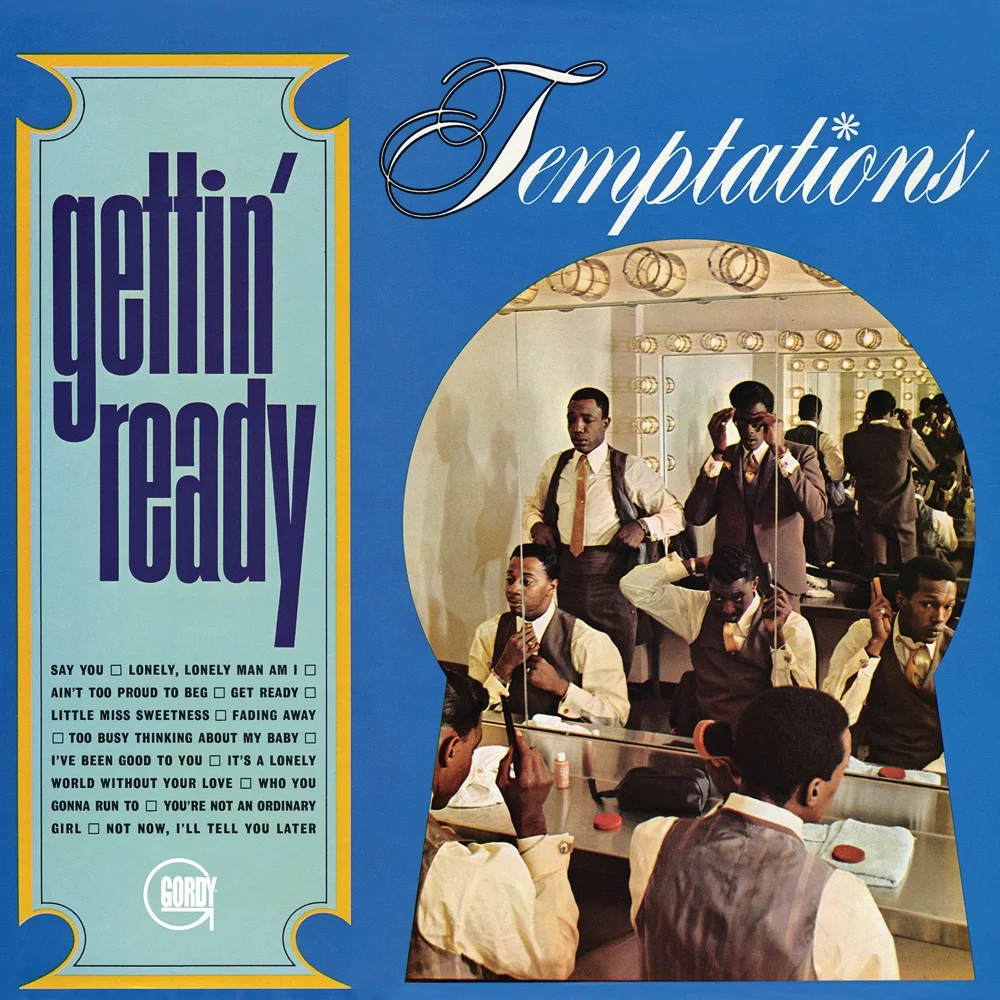
The Definitive Motown Plea
"Ain't Too Proud to Beg" was the song that helped David Ruffin secure his spot as a lead singer for The Temptations, replacing the smoother sound of the group with a grittier, more desperate soul vocal. Written by Norman Whitfield and Edward Holland Jr., this track requires more than just hitting the notes—it requires selling the emotion.
To sing this correctly, you need to balance rhythmic precision with raw, emotive power. It sits comfortably in C Major, but the challenge lies in maintaining the energy of the belt without exhausting your voice early in the track.
AI Coach Tip: Careful with the Rasp
David Ruffin had a natural rasp. If you don't, avoid "squeezing" your throat to imitate him, as this causes damage. Use a clean, forward-placed belt instead. The App will score you on pitch and timing, not on how much your voice scratches.
Phase 1: The Verse (Rhythmic Groove)
The song starts immediately with the hook. The opening line "I know you wanna leave me" is sung firmly in the chest voice. The rhythm is key here. You must be slightly behind the beat to get that laid-back soul feel, but precise enough not to drag.
Common Mistake: Many singers lose energy at the end of phrases. Ensure you sustain the breath support through "But I refuse to let you go."
Phase 2: The Chorus (Power Belt)
The titular line "Ain't too proud to beg" jumps up in intensity. This sits around F4-G4. To hit these notes with power:
- Open your mouth: A wider vowel shape helps project the sound without strain.
- Engage the core: This is a "plea," so the sound must come from deep within the body, not the nose.
- Sweet Darlin': This phrase requires a quick switch to a slightly softer tone before ramping back up.
Phase 3: The Ad-libs (Emotional Peak)
Towards the end of the song (2:00 onwards), the structure loosens up. This is where you can show off vocal agility. Ruffin uses short, punchy shouts and runs. The key here is confidence. If you hesitate on the high G4 belts, they will go flat.
The interaction with the backing vocals ("Please don't leave me girl") is crucial. Think of it as a conversation; listen to the backing track in the app and respond to it.
Frequently Asked Questions
The lead vocal hits a G4 in full chest belt. While not extremely high by modern standards, maintaining the grit at this pitch is physically demanding.
No. While the original has rasp, you can sing it with a clean tone. Focus on the *attitude* and the rhythmic "pocket" rather than forcing a vocal texture that might hurt you.
The song is in C Major. It follows a standard I-IV-V progression which makes it great for beginners to learn improvisation over.