
Master the Art of "Less is More"
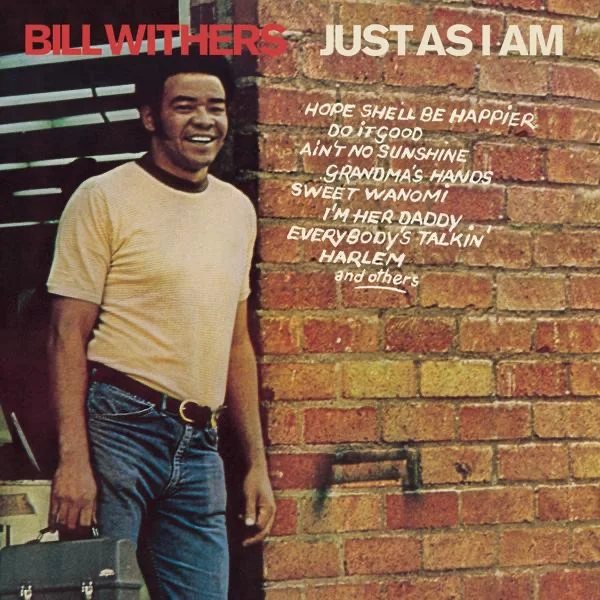
"Ain't No Sunshine" is a masterclass in minimalism. Released in 1971 by Bill Withers, the song contains no chorus, just verses and a bridge famously known for repeating the phrase "I know" 26 times. The instrumentation is sparse, relying on vocal warmth and emotion to carry the track.
To sing this well, you must resist the urge to over-sing. The difficulty lies in the subtlety—maintaining pitch accuracy while delivering a conversational, almost heartbroken tone. Let's break down the techniques required.
AI Coach Tip: Breath Control
The "I Know" section is an endurance test. Our analysis shows users often run out of air halfway through. Take deep, diaphragmatic breaths before the section begins and use short, sipping breaths on the beat if necessary.
Phase 1: The Verses (Conversational Tone)
The song starts in A Minor. The opening line "Ain't no sunshine when she's gone" sits in a comfortable mid-range (around E3-A3). The goal here is a rich chest resonance.
The Trap: Many singers rush the rhythm. This is a blues/soul track; it needs to sit "in the pocket" or slightly behind the beat. Keep your jaw relaxed and focus on the vowels to create that warm, Withers-esque sound.
Phase 2: The "I Know" Bridge
This is the signature moment of the track. Repeating "I know" 26 times might seem easy, but keeping it interesting is hard. You need to build intensity dynamically.
- Repetitions 1-8: Keep it soft and rhythmic. Lock in with the drums.
- Repetitions 9-18: Begin to increase volume and urgency. Allow some grit to enter your voice.
- Repetitions 19-26: Pull back slightly to prepare for the return to the verse.
Phase 3: The Blues Belt (E4 - G4)
On lines like "And she's always gone too long," Withers climbs to the upper part of his chest register. The highest notes touch G4. This isn't a scream; it's a controlled belt.
To hit these notes authentically, use "call" placement—imagine calling out to someone across the street. Keep the sound forward in the mask of your face to avoid straining your throat.
Frequently Asked Questions
The core melody hits a G4 in chest voice. Some ad-libs and runs may touch slightly higher, but G4 is the target belt note.
Yes. The range is accessible for most male voices (Baritone/Tenor). The challenge is purely stylistic—getting the "soul" feeling right without sounding flat or bored.
Bill Withers has a natural rasp, but you can emulate it safely by relaxing your vocal cords and using less air pressure on lower notes (vocal fry), then adding compression on higher notes.