
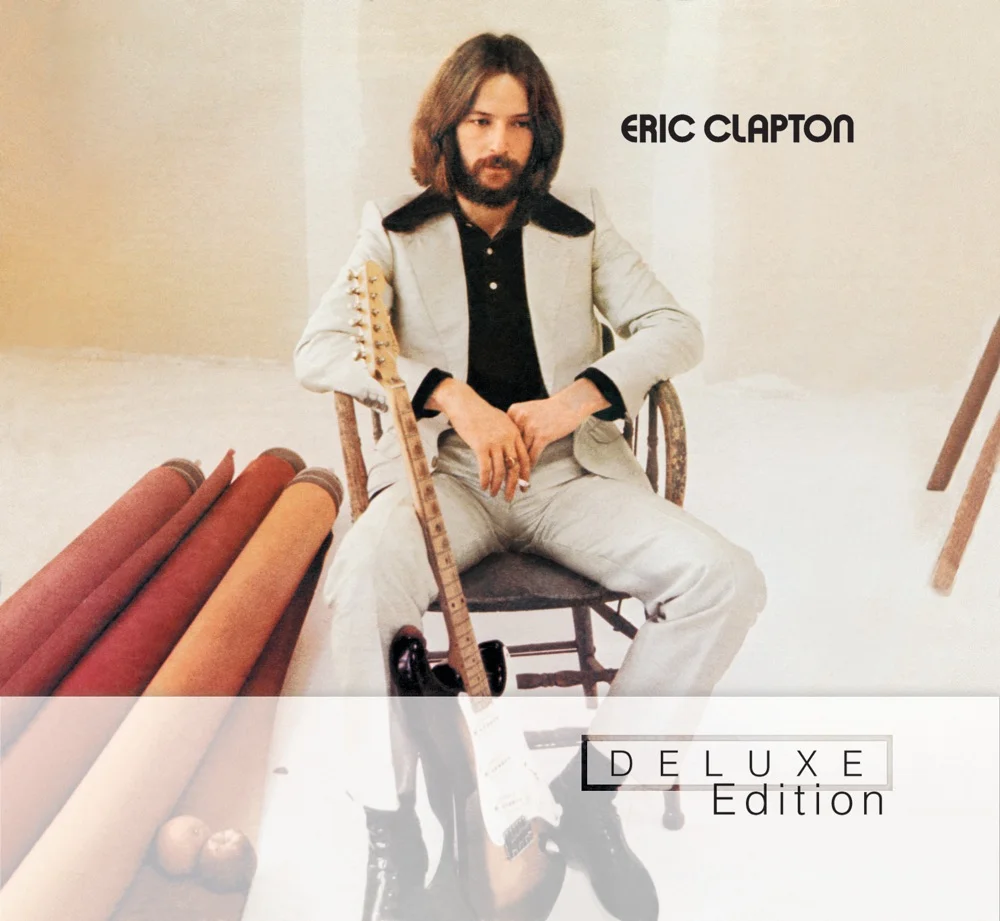
The Ultimate "Laid-Back" Rock Anthem
After Midnight is a masterclass in subtlety and groove. Originally written by J.J. Cale and popularized by Eric Clapton, this song doesn't demand an expansive vocal range like Queen or Journey. Instead, it demands impeccable timing and a "cool," relaxed delivery.
To sing this well, you need to resist the urge to over-sing. The power comes from the rhythm and the slight grit in your chest voice. It sits comfortably in the Baritone and lower Tenor range, making it an excellent song for beginners learning breath control.
AI Coach Tip: Don't Rush
The biggest mistake users make is singing ahead of the beat. Clapton's style is famously "behind the beat." Listen to the snare drum and try to place your vocals just a millisecond after it for that relaxed feel.
Phase 1: The Verse Groove
The song is in F Major. The verses are conversational. You want to maintain a steady volume, almost like you are telling a secret to a loud room.
The Trap: Because the tempo is upbeat, singers often run out of breath. Use the rests between phrases like "After midnight" and "We're gonna let it all hang out" to take quick, silent breaths.
Phase 2: The Chorus Lift
While the verses are chill, the chorus needs a lift in energy. The line "We're gonna cause talk and suspicion" requires a bit more forward resonance.
- Articulation: Keep your consonants crisp, especially on words like "Midnight" and "Peaches," to cut through the driving rhythm section.
- Dynamics: Swell slightly in volume on the chorus, but return immediately to a relaxed state for the next verse.
Phase 3: Blues Inflections
Clapton is a bluesman at heart. You shouldn't hit every note squarely in the center of the pitch immediately. Practice "scooping" up to the pitch occasionally to mimic the slide guitar feel of the track.
However, be careful not to make it sound sloppy. The core pitch must be accurate, even if the approach is stylistic.
Frequently Asked Questions
The highest chest-voice note typically hit in the melody is an F4. It is very accessible for most male voices without needing falsetto.
Yes, but you may need to focus on adding more "weight" to your lower register to match Clapton's timbre. Alternatively, you can transpose it up +2 semitones in the Singing Coach AI app.
Do not grind your vocal cords. Use vocal fry at the very end of phrases or engage your false vocal folds gently. If it hurts, stop immediately.