
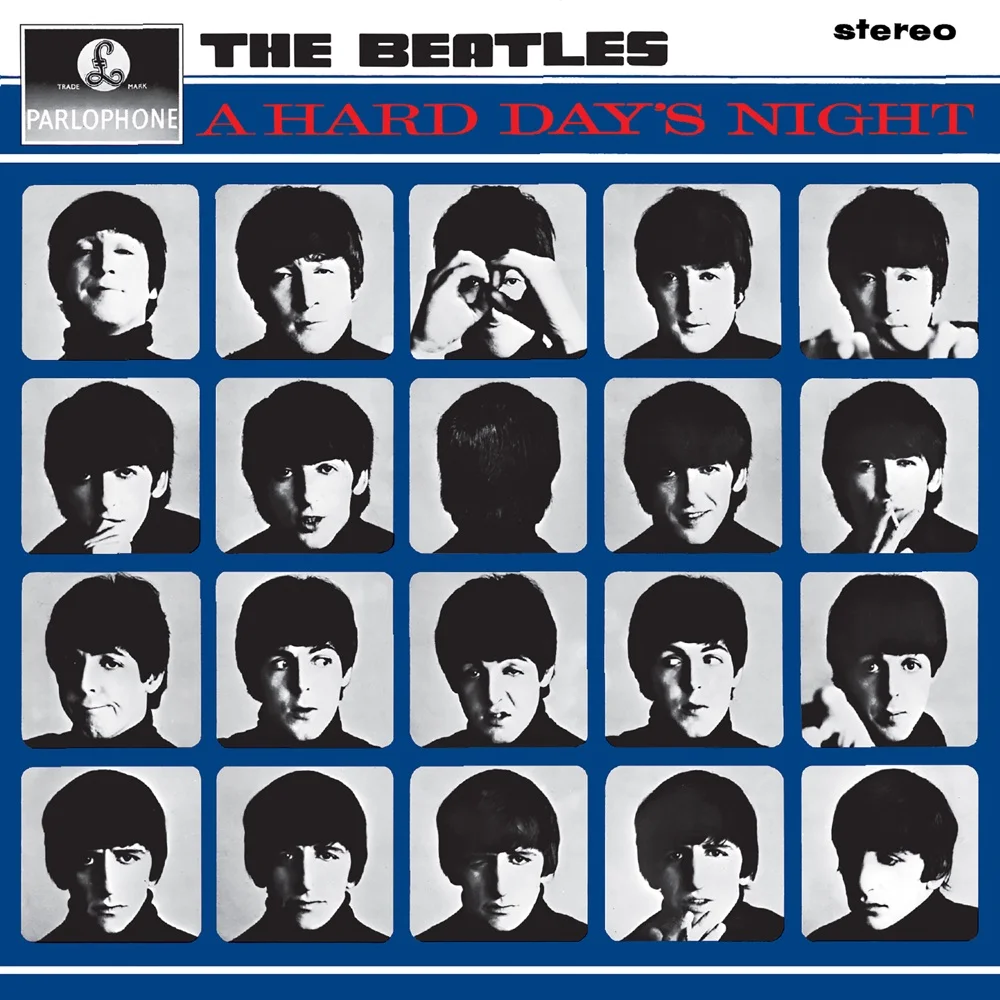
The Chord Heard Around the World
Opening with the most famous chord in rock history (the Fadd9), "A Hard Day's Night" captures the frantic energy of Beatlemania. Written primarily by John Lennon for the 1964 film, the song features a unique double-lead vocal arrangement that presents a specific challenge for singers: matching the tone of two different vocalists.
To sing this well, you need endurance. The tempo is driving, and there is very little room to breathe between phrases. You must navigate the switch between Lennon's gritty, lower verses and McCartney's soaring middle eight.
AI Coach Tip: Watch Your Timing
Because the drums push the beat forward, many users tend to rush the vocal delivery. Stay "in the pocket" and don't anticipate the lyrics. Let the beat lead you.
Phase 1: The Verses (Lennon)
The song kicks off with "It's been a hard day's night." This is classic John Lennon. The key here is attitude. The range is comfortable (G3-G4), but the delivery needs a slightly nasal, punchy quality. Keep your chest resonance strong.
The Trap: On the line "and I've been working like a dog," ensure you articulate the consonants clearly. The rapid-fire delivery can cause words to slur together if you aren't using your lips and tongue actively.
Phase 2: The Middle Eight (McCartney)
At 1:28, the mood shifts. Paul McCartney takes the lead on "When I'm home, everything seems to be right." The melody jumps up, reaching a sustained A4 on the word "tight" in the repeats.
- Tone Shift: You must brighten your sound here. Move the resonance from your chest up into your "mask" (the front of your face).
- The High Note: The A4 needs to be hit with confidence. If you stay too heavy in your chest voice, you will likely strain. Think of singing "up and over" the note.
Phase 3: The Outro
The song finishes with an arpeggiated guitar fade-out. While there are no lead vocals here, the final "You know I feel alri-i-ight" requires a controlled vocal fry or gentle fade to match the instruments winding down.
Frequently Asked Questions
The highest chest/mix note is the A4 sung by Paul in the middle eight. Lennon's verses generally top out at G4.
Yes. The majority of the song sits in a very accessible range for Baritones. If the bridge is too high, you can transpose the track down -1 or -2 semitones in the Singing Coach AI app.
John Lennon sings the main verses ("It's been a hard day's night..."), while Paul McCartney sings the bridge section ("When I'm home...").