
The Masterclass in Build-Up
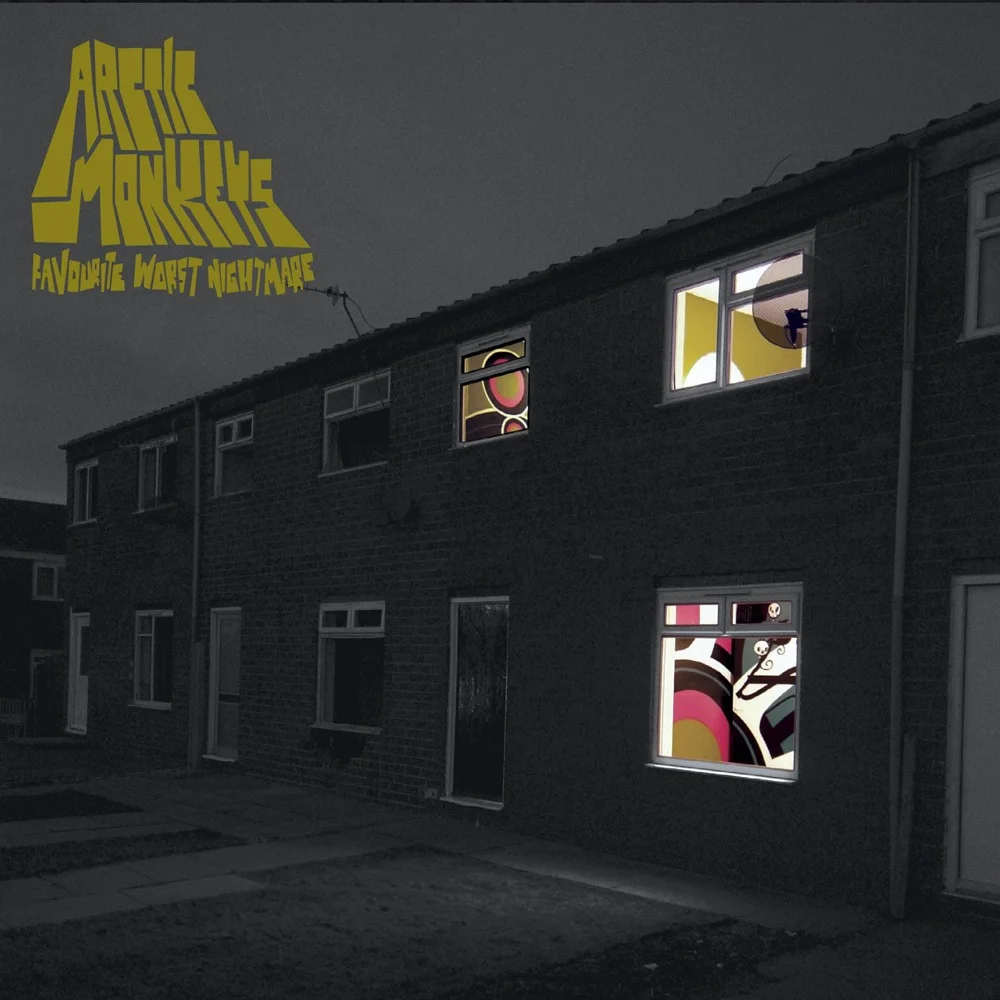
"505" is the closing track of the Arctic Monkeys' second album, Favourite Worst Nightmare. Unlike many rock songs that maintain a steady energy, this track is a slow burn that explodes into chaos at the end. It revolves around a hypnotic two-chord loop (Dm to Em), placing the entire burden of interest on the vocalist's delivery.
To sing this well, you need to channel Alex Turner's distinctive storytelling style. It starts with intimate, almost mumbled crooning and ends with desperate, supported belting. Let's break down how to handle these extreme dynamics.
AI Coach Tip: Watch Your Timing
Turner often sings slightly "behind the beat" during the verses to create a lazy, laid-back feel. Don't rush your delivery. Let the organ swell lead you.
Phase 1: The Croon (0:00 - 2:30)
The song begins with just an organ sample. When you enter with "I'm going back to 505," keep your larynx neutral and your volume low. This is a conversational range (A2-D3). You want a warm, chest-dominant sound, but without forcing power.
The Trap: Singers often try to project too much here. The microphone is your friend. Think of this section as whispering a secret rather than singing a song.
Phase 2: The Swell (2:30 - 3:40)
As the drums and guitar enter, the intensity must rise. However, the pitch remains relatively contained. The challenge is increasing your breath pressure to add "weight" to your voice without yelling just yet. Focus on enunciation—Turner's Sheffield accent is key here, dropping consonants casually but keeping vowels round.
Phase 3: The Climax (3:40 - End)
This is the moment everyone waits for: "But I crumble completely when you cry!" The vocals jump in intensity. You are hitting G4s here with full chest power.
To hit this without damaging your voice, use diaphragm support to create the distortion/grit naturally. If you squeeze from your throat, you will sound pinched. Open your mouth wider vertically to allow the sound to resonate fully.
Frequently Asked Questions
The highest chest-voice note is a G4, hit during the emotional climax ("crumble completely").
Yes. The range is very accessible for most male voices (Baritones especially). The challenge lies in the emotional performance rather than technical gymnastics.
Focus on a "crooner" placement—keep the sound forward in the mask but relaxed. Don't over-pronounce 'R's at the end of words.